Certified Organic - Buy Whole Food Online at Real Foods for Delivery to Your Home
Organic systems recognise that our health is directly connected to the food we eat and, ultimately, to the health of the soil. Organic standards are certified here in the UK by The Soil Association.
Farmers who are part of the Association aim to produce good food from a balanced, living soil. Strict regulations, known as standards, define what they can and can't do. These standards place a strong emphasis on protecting the environment.
The word organic is defined by law and anything labelled as such must meet this strict set of standards.
The main features of farming this way include:
-
Severely restricting the use of artificial chemical fertilisers and pesticides
-
Relying instead on developing healthy, fertile soil and growing a mixture of crops
-
Genetically Modified (GM) crops and ingredients are banned under organic standards
-
Irradiation is banned under organic standards
Put simply, organic food contains more of the good stuff we need and less of the bad stuff that we don't need
You can be confident that any food you buy at Real Foods that is labelled organic has been grown adhering to these standards because Real Foods is a member of The Soil Association. To read more about why this is important and what it means to you, read more about it here.
Buy Organic Wholesale Whole Foods
Bulk buying organic whole foods will give you great savings. You can choose from a wide range of organic nuts and seeds, dried fruits, grains, muesli, superfoods and so much more. Why not get good quality, nutritious, organic whole foods delivered to your door in bulk wholesale quantities so that you can eat well for less.
To bulk buy organic whole foods online visit our Wholesale Page.
Why Choose Organic?
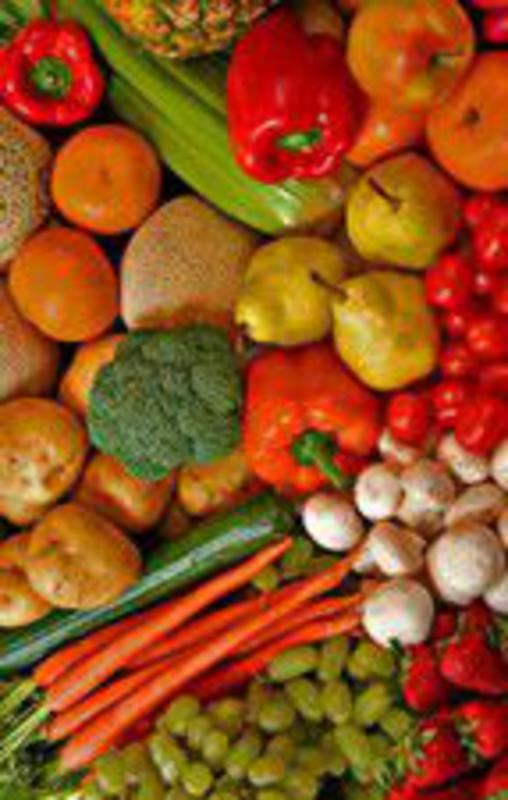
We all know the importance of getting our five-a-day, but eating five organic fruit and vegetables a day is even better.
You can find out more about the organic fruits and vegetables available from Real Foods in our post about what's available here
No other foods have higher amounts of beneficial minerals, essential amino acids and vitamins.
A non-certified apple can be sprayed up to 16 times with 36 different chemicals, many of which cannot simply be washed off. The latest Government tests, carried out in 2005, found pesticides in 80% of apple samples.
Organic milk, according to research carried out by scientists in Britain and across Europe, has nearly 70% more essential fatty acid omega-3 than its non-certified equivalent. Essential fatty acids are essential for maintaining normal bodily functions.
Buy organic food online for home delivery from our shop by using the filter at the left of the product grid
Why more people are choosing organic?
Top for taste
Many people buy food without pesticides because they believe it tastes better than the alternative. This could be because fruit and vegetables grown to these standards tend to grow more slowly and have a lower water content, which may contribute to the fuller flavour some people experience.
It's healthy
On average, food grown to Soil Association standards contains higher levels of vitamin C and essential minerals such as calcium, magnesium, iron and chromium as well as cancer-fighting antioxidants.
No nasty additives
Only 32 of the 290 food additives approved for use across the EU are permitted.
Avoids pesticides
The best way of reducing your exposure to potentially harmful pesticides is to eat organically grown food, where their use is avoided.
GM-free
Genetically modified (GM) crops and ingredients are not allowed under Soil Association standards.
High standards
Goods come from trusted sources; farms and food companies are inspected at least once a year. and the standards are laid down in European law.
Good for wildlife and the environment
Overall organic farming supports more farmland wildlife than non-organic farming. The UK government has said that it is better for wildlife, causes lower pollution from sprays, produces less carbon dioxide - the main global warming gas - and less dangerous wastes.
Help the environment and yourself and buy organic food online for delivery to your home
Organic Suppliers
It isn’t easy to have an organic farm and the conversion and certification process can take as long as two years from deciding to go ahead.
There’s also a fair amount of reading and studying that you have to do if you want to become a certified organic farm as you will need to be familiar with the standards and processes that the certifying body you chose upholds. You will also need to know about the claims you can and can’t make about your organic goods once you are all set to start selling them.
There’s lots of support available and certifying bodies such as the Soil Association are always on hand to help with guidance and advice.
Read about the stories of two of our organic suppliers:
Over Langshaw Farm in Scotland
Mani Organics