Seeds may be small, but nutritionally they punch well above their weight. From boosting everyday meals to supporting plant-based diets, seeds are a staple ingredient in many kitchens — and for good reason.
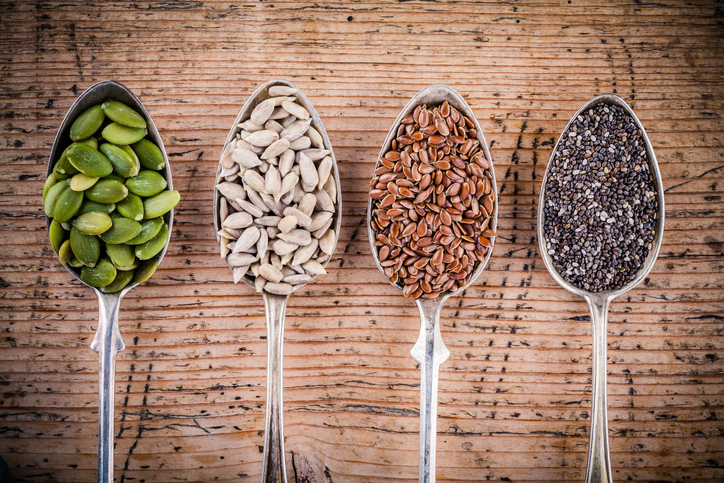
In this guide, we’ll explore chia seeds, pumpkin seeds and sunflower seeds, breaking down their nutritional benefits, how to use them, and how to choose the right type for your needs. If you’re looking to buy high-quality seeds, we’ll also point you in the right direction along the way.
👉 For a full overview of what’s available, visit our Seeds hub
Why seeds deserve a place in your cupboard
Seeds are a naturally nutrient-dense food, often rich in:
-
Plant-based protein
-
Fibre for digestive health
-
Healthy fats, including omega-3 and omega-6
-
Minerals such as magnesium, zinc and iron
They’re also incredibly versatile — easy to sprinkle over breakfasts, bake into breads, or blend into smoothies. Whether you’re following a plant-based diet or just want to add more whole foods to your meals, seeds are an effortless upgrade.
Chia seeds: tiny seeds with mighty benefits
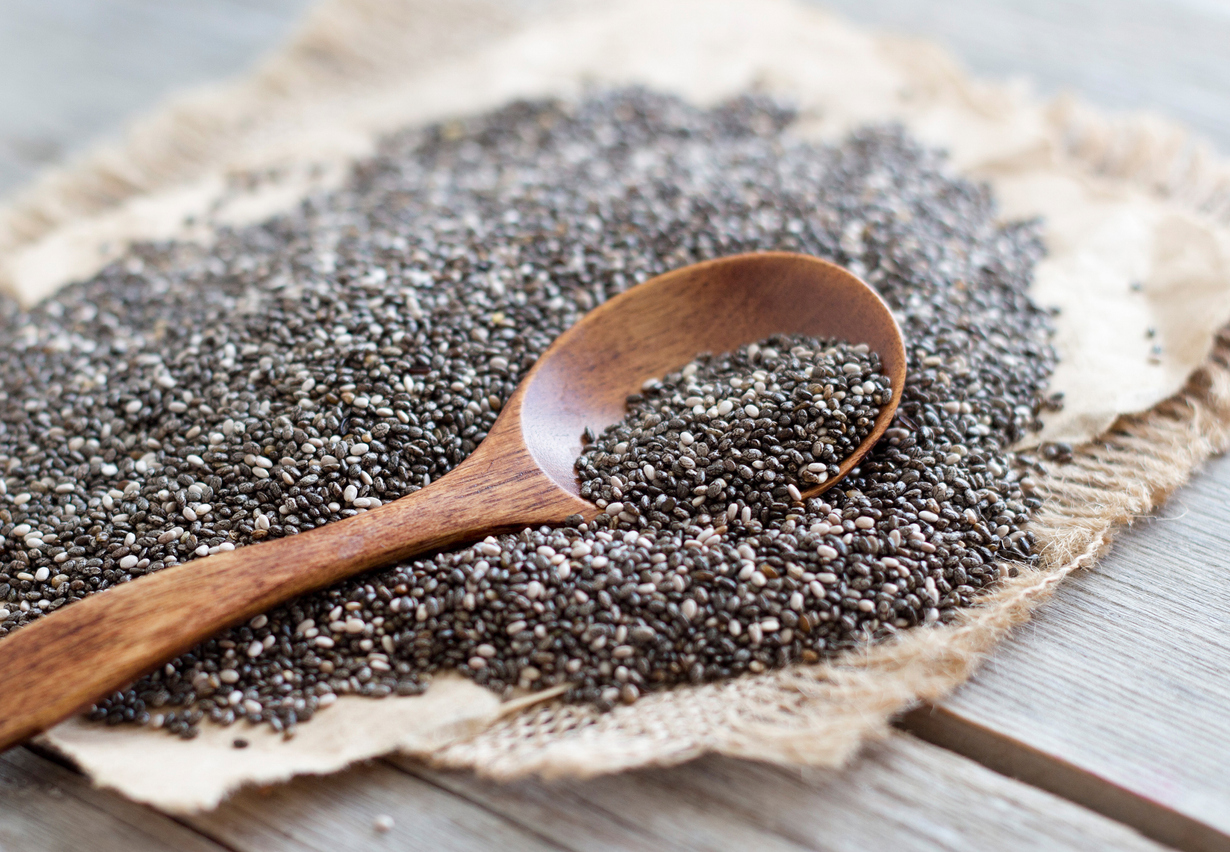
Chia seeds are famous for their ability to absorb liquid and form a gel-like texture, making them ideal for puddings, smoothies and baking.
Nutritional highlights
-
High in omega-3 fatty acids
-
Excellent source of fibre
-
Contains complete plant protein
Thanks to their neutral flavour, chia seeds work just as well in sweet as in savoury dishes.
How to use chia seeds
-
Make overnight chia pudding with plant milk
-
Add to porridge, yoghurt or smoothies
-
Use as an egg replacement in vegan baking
If you’re looking for a premium option, our organic chia seeds are carefully sourced for quality and freshness.
Pumpkin seeds: crunchy, satisfying and versatile
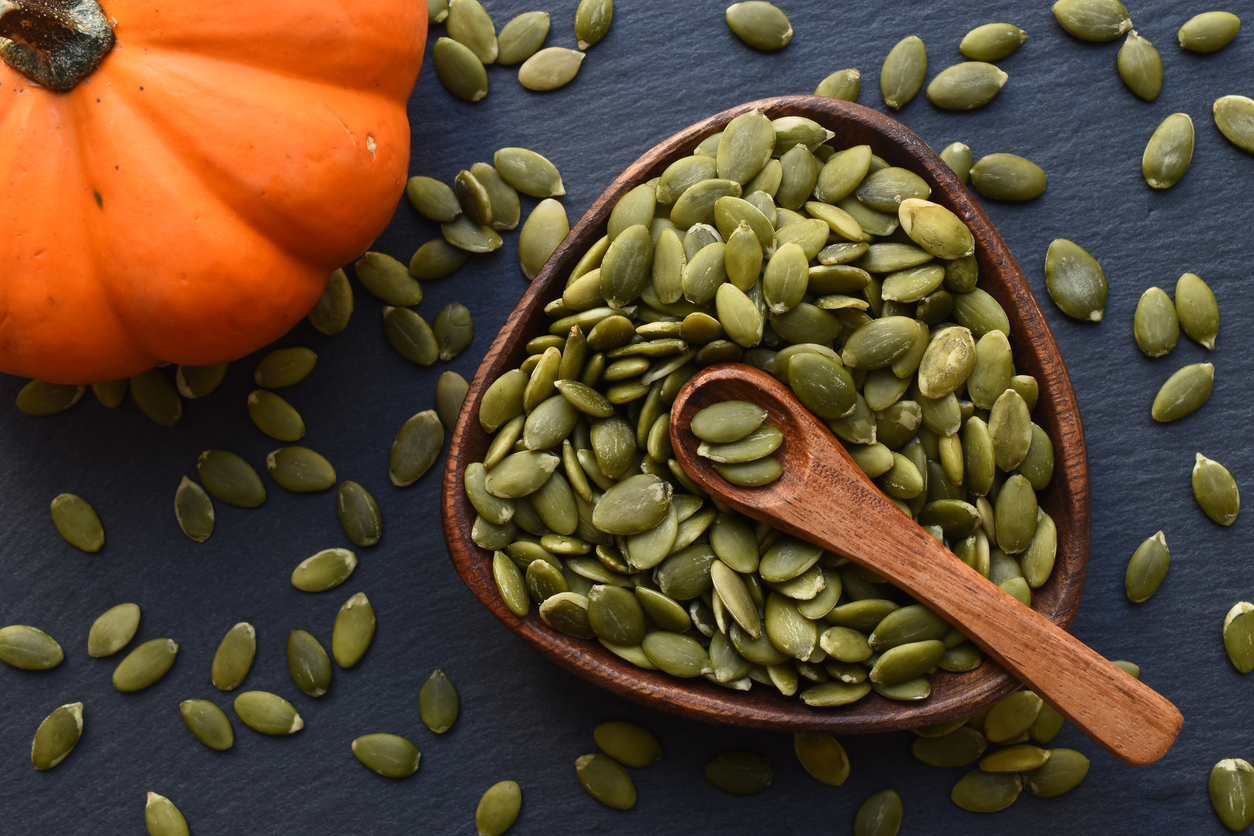
Pumpkin seeds (also known as pepitas) are loved for their mild, nutty flavour and satisfying crunch. They’re just as good eaten raw as they are lightly toasted.
Nutritional highlights
-
Rich in magnesium and zinc
-
Good source of plant protein
-
Contains antioxidants that support overall health
Organic vs non-organic pumpkin seeds
Choosing between organic and non-organic often comes down to personal preference, but both are excellent additions to a balanced diet.
-
Our organic pumpkin seeds are grown without synthetic pesticides, making them a popular choice for those prioritising organic food.
-
Our pumpkin seeds offer great value while maintaining quality and flavour.
How to use pumpkin seeds
-
Sprinkle over salads or soups
-
Toast with spices for a healthy snack
-
Add to granola, bread or savoury baking
Sunflower seeds: mild, adaptable and nutrient-rich
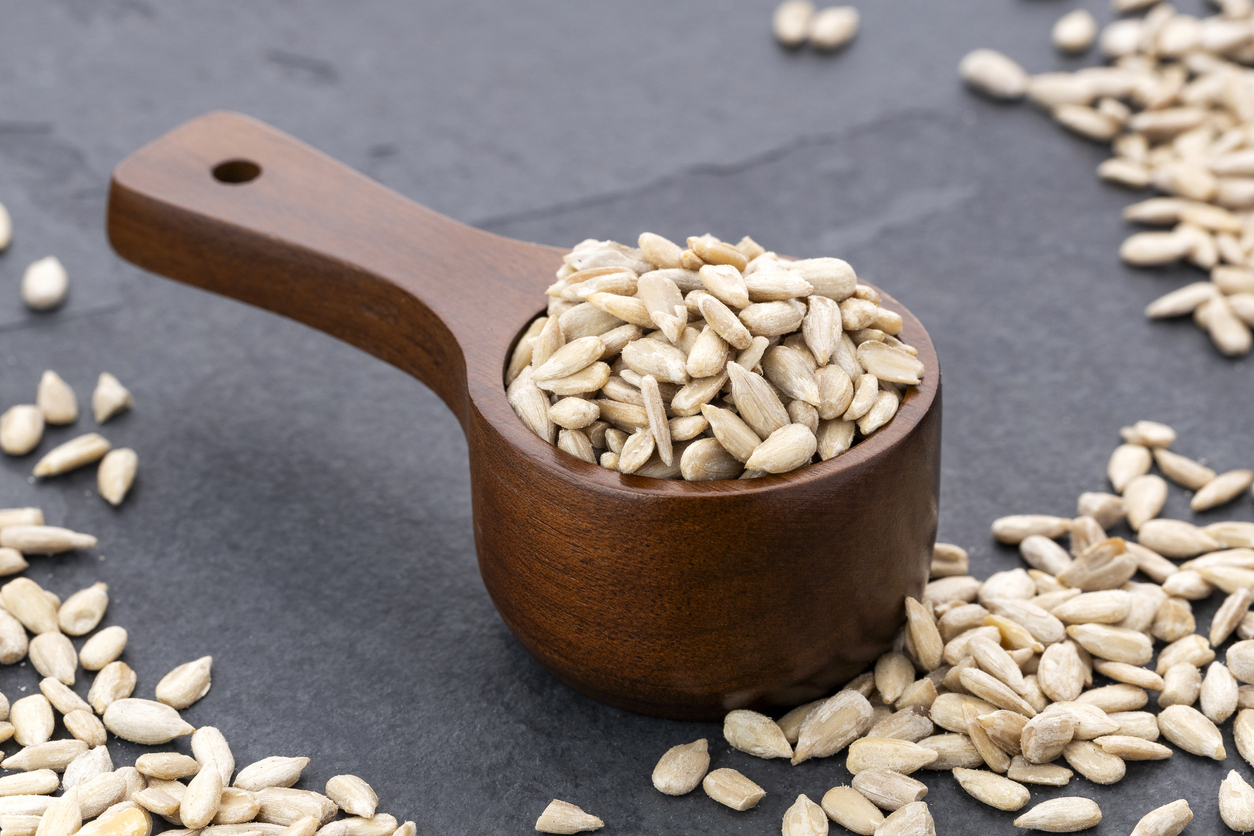
Sunflower seeds are one of the most versatile seeds available, with a gentle flavour that works in both sweet and savoury recipes.
Nutritional highlights
-
High in vitamin E
-
Source of healthy fats
-
Supports skin and heart health
Hulled sunflower seeds (with the shell removed) are especially convenient and ready to use.
Our organic hulled sunflower seeds are ideal for everyday cooking and baking.
How to use sunflower seeds
-
Stir into porridge or cereal
-
Blend into seed butters
-
Use in baking or sprinkle over roasted vegetables
Flaxseeds: tiny seeds with heart-healthy benefits
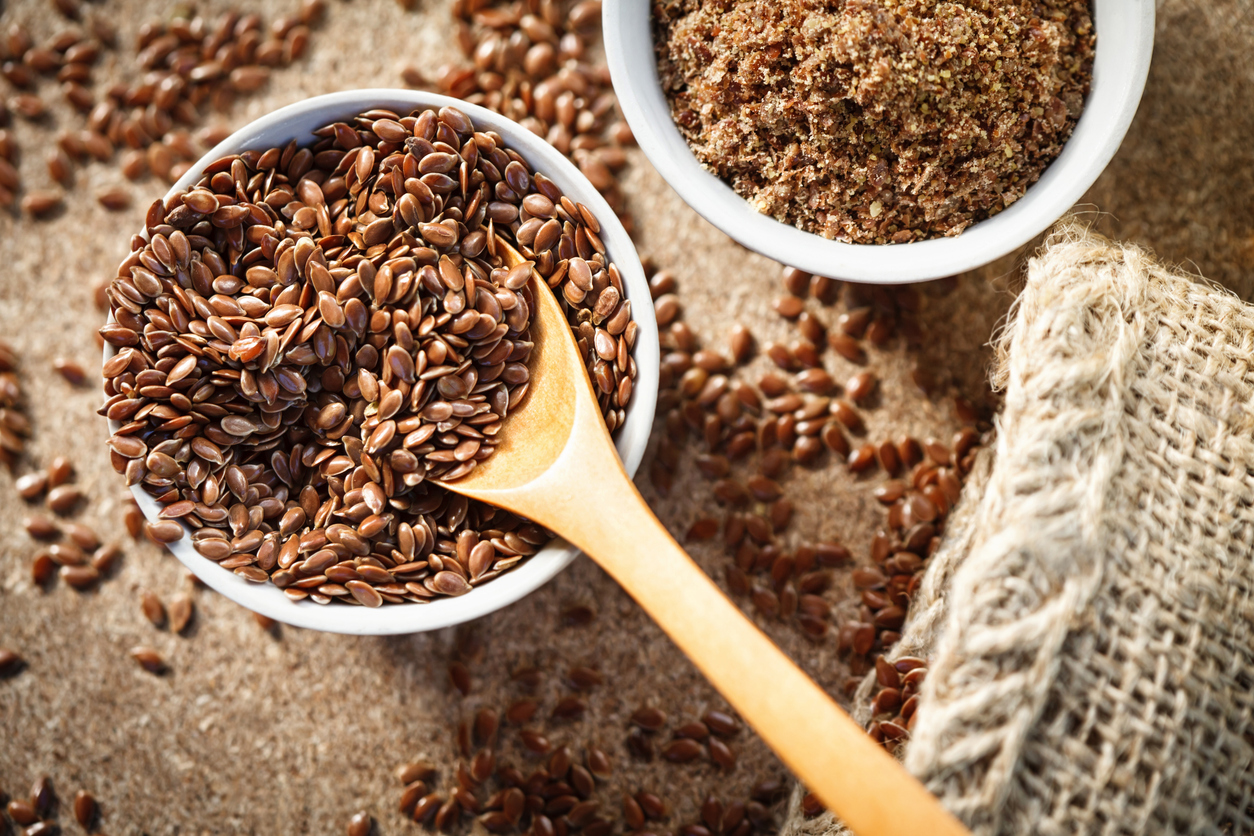
Flaxseeds are small but packed with nutrients, known for their nutty flavour and versatility in both sweet and savoury dishes.
Nutritional highlights
-
High in omega-3 fatty acids (ALA)
-
Excellent source of fibre
-
Rich in lignans, which act as antioxidants
-
Supports digestive health and heart health
How to use flaxseeds
-
Sprinkle ground flaxseeds on porridge, smoothies, or yoghurt
-
Use as a vegan egg substitute in baking (1 tbsp ground flax + 3 tbsp water)
-
Add to bread, muffins, or energy balls
Sesame seeds: small seeds with big flavour
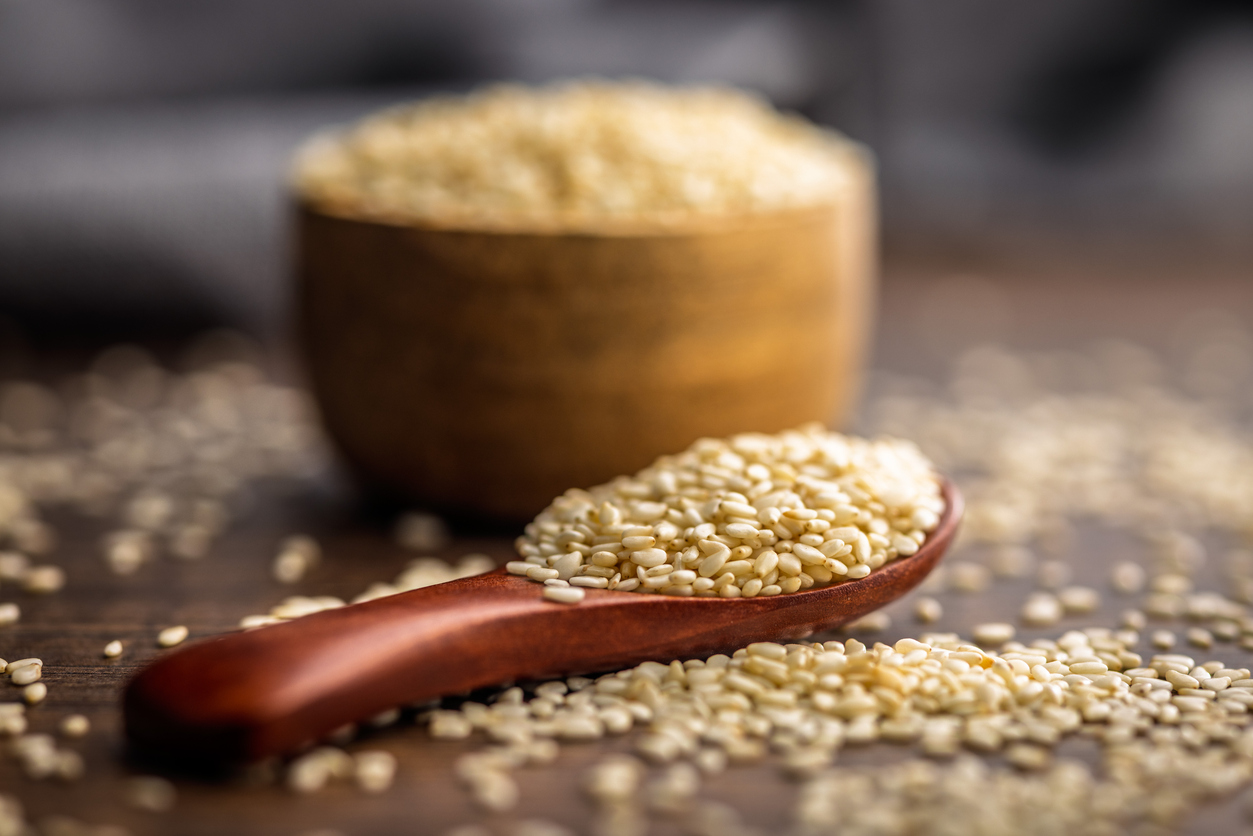
Sesame seeds have a rich, nutty flavour and are commonly used across cuisines for texture and taste.
Nutritional highlights
-
High in calcium and magnesium
-
Source of plant protein
-
Contains healthy fats and antioxidants
-
Supports bone health and metabolism
How to use sesame seeds
-
Sprinkle toasted sesame seeds over salads or roasted vegetables
-
Add to bread, crackers, or homemade granola
-
Blend into tahini or use as a topping for sushi and stir-fries
Poppy seeds: tiny seeds with subtle crunch
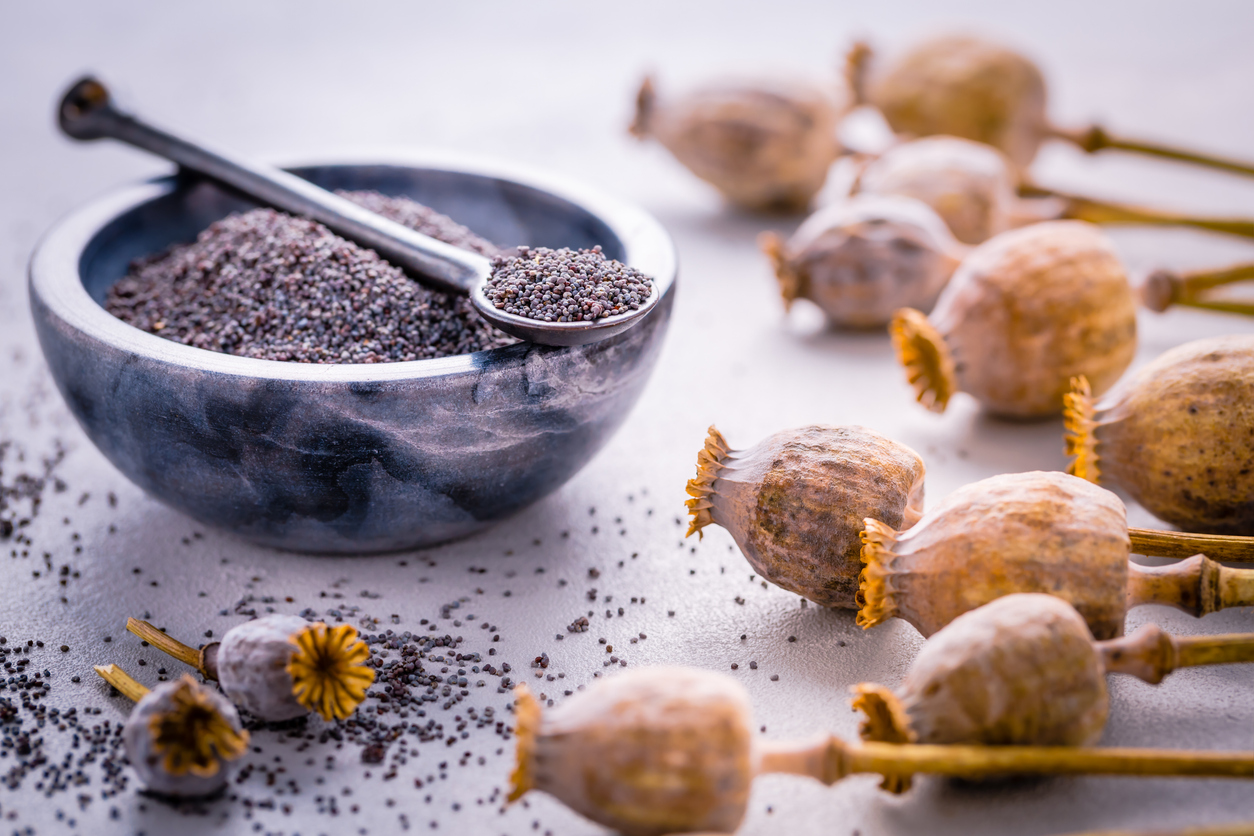
Poppy seeds are small, crunchy seeds with a slightly nutty flavour, ideal for adding texture to both sweet and savoury recipes.
Nutritional highlights
-
Source of calcium, magnesium, and iron
-
Contain healthy fats and fibre
-
Provide antioxidants that support overall wellness
-
Great for heart and bone health
How to use poppy seeds
-
Add to muffins, bread, or bagels
-
Sprinkle over salads or roasted vegetables
-
Incorporate into sauces, dressings, or dessert toppings
Hemp seeds: nutty seeds with complete protein
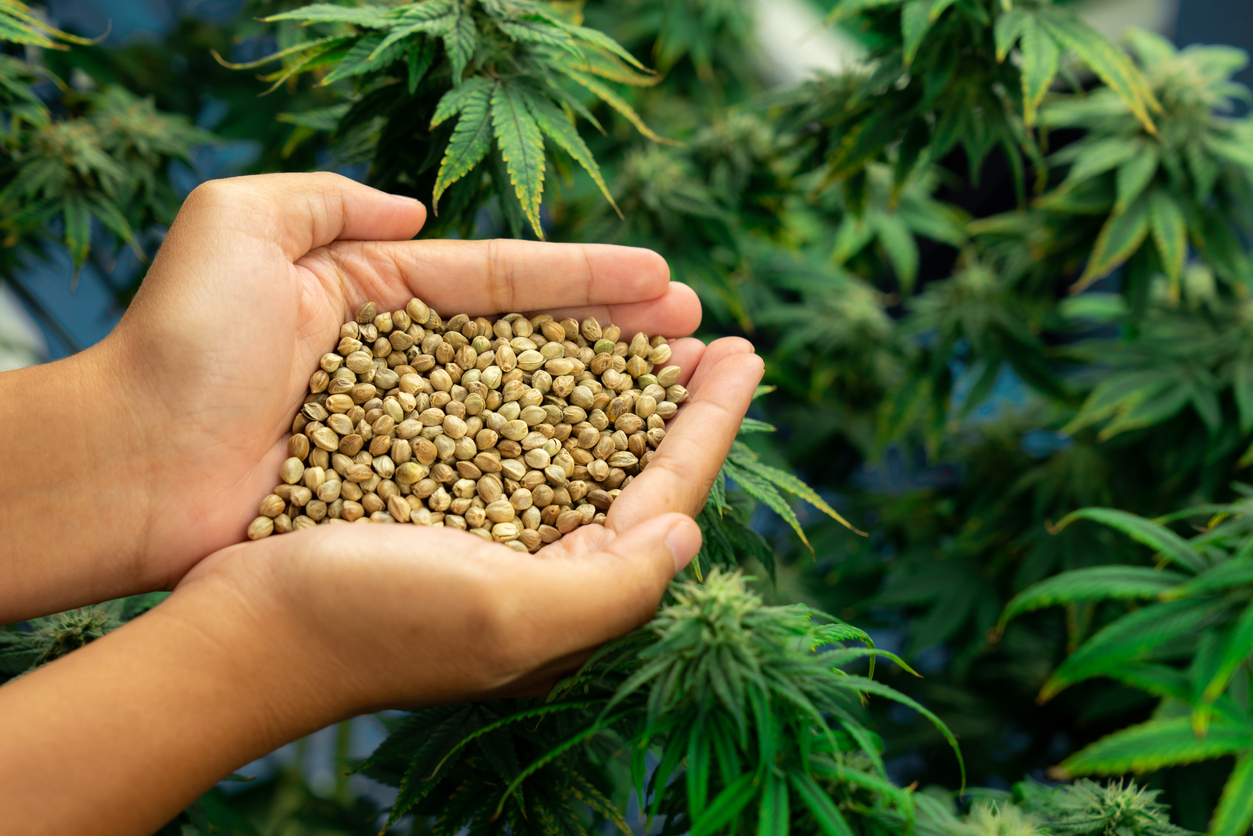
Hemp seeds have a mild, nutty flavour and are particularly valued for their plant-based protein content.
Nutritional highlights
-
Complete plant protein containing all essential amino acids
-
High in omega-3 and omega-6 fatty acids
-
Rich in magnesium and vitamin E
-
Supports heart health, muscle maintenance, and energy
How to use hemp seeds
-
Sprinkle over porridge, smoothie bowls, or salads
-
Blend into smoothies or plant-based milk
-
Add to baked goods, energy balls, or granola
Amaranth seeds: tiny seeds with a nutritional punch
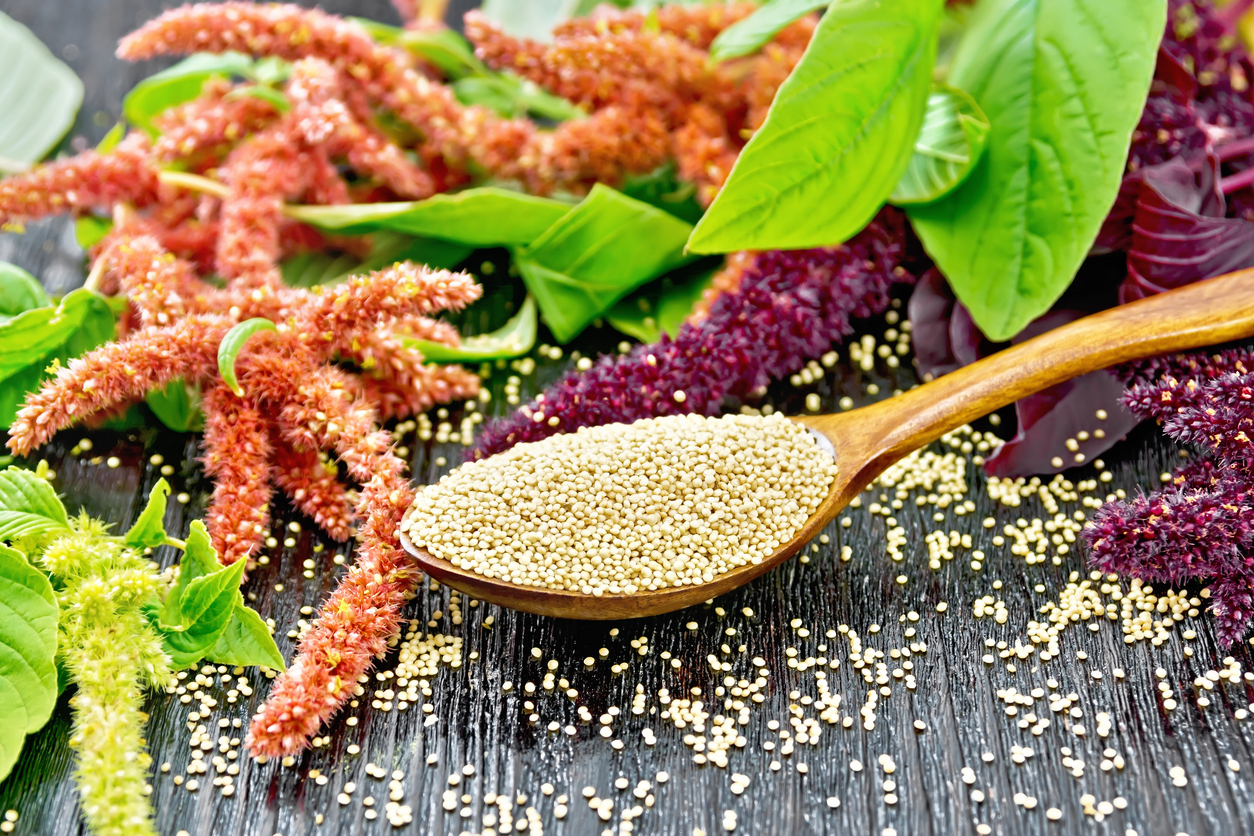
Amaranth seeds are tiny, gluten-free grains with a slightly earthy flavour and a soft, porridge-like texture when cooked.
Nutritional highlights
-
High in protein and lysine (rare in grains)
-
Rich in fibre and minerals like calcium, iron, and magnesium
-
Gluten-free and suitable for plant-based diets
-
Supports digestion, bone health, and muscle function
How to use amaranth seeds
-
Cook as a warm breakfast porridge or porridge mix
-
Add to soups, stews, or grain salads
-
Use popped amaranth as a topping for yoghurt or desserts
How to choose the right seeds for you
When choosing seeds, consider:
-
Organic vs non-organic – based on your values and budget
-
Whole vs hulled – hulled seeds are quicker to use
-
Intended use – smoothies, baking, snacking or cooking
For inspiration and the full range, explore our complete Seeds collection.
Final thoughts: small foods, big impact
Chia, pumpkin and sunflower seeds may be small, but they’re packed with nutrition and culinary potential. Whether you’re upgrading your breakfasts, baking more at home, or looking for easy plant-based protein sources, seeds are a simple and affordable way to eat well.
Explore our full range of seeds and find the perfect option for your kitchen today.