Oats are a staple in many kitchens, but not all oats are the same. From quick-cooking porridge oats to hearty oat groats, each type has its own texture, uses, and nutritional qualities. Here’s a guide to help you choose the right oat for your meals.
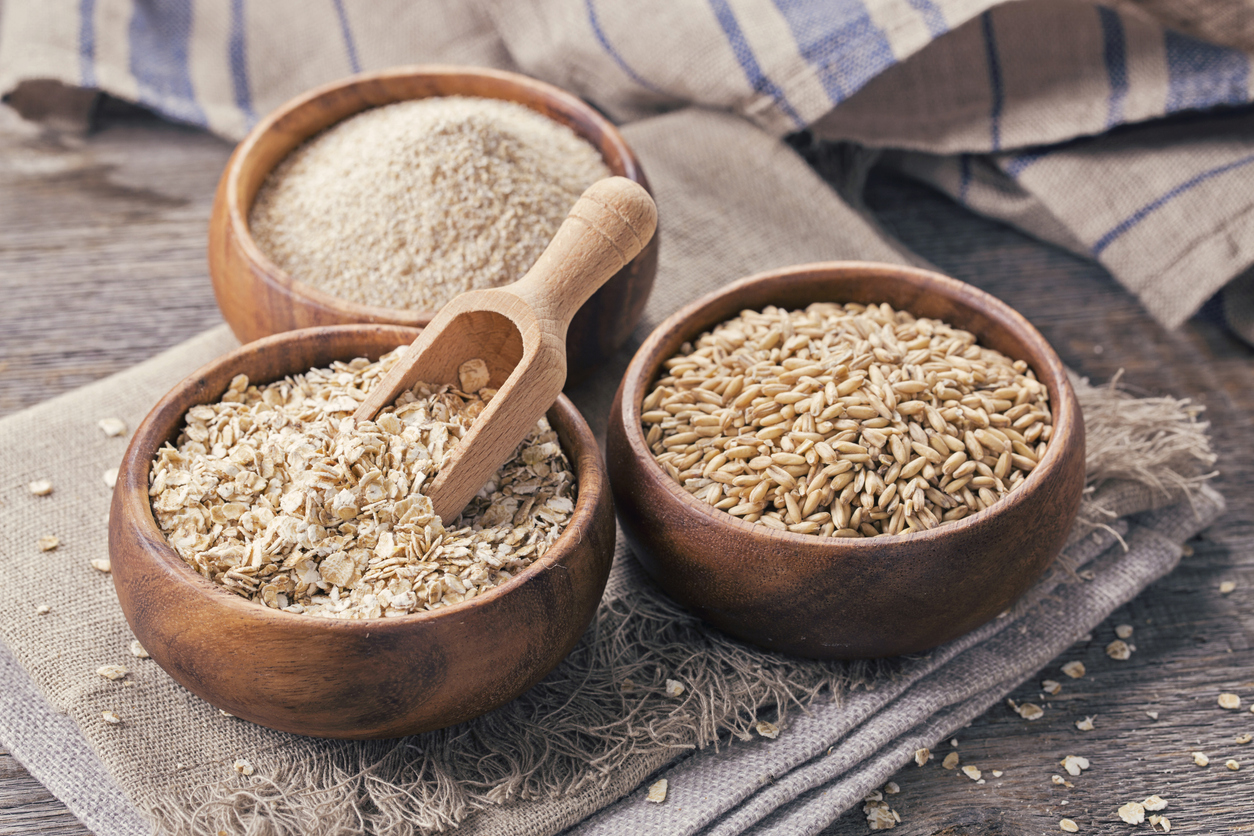
Quick comparison table
|
Oat Type |
Texture |
Cooking Time |
Best For |
|
Porridge Oat Flakes |
Soft, creamy |
3–5 min |
Porridge, overnight oats, baking |
|
Jumbo Oat Flakes |
Chewy, hearty |
5–10 min |
Rustic porridge, granola, baking |
|
Pinhead Oatmeal |
Chewy, slightly coarse |
20–25 min |
Porridge, soups, baked goods |
|
Fine Oatmeal |
Soft, quick-cooking |
10–15 min |
Porridge, soups, baking |
|
Coarse Oatmeal |
Chewy, hearty |
25 min |
Porridge, soups, hearty baked goods |
|
Oat Bran |
Fine, quick-cooking |
1–2 min |
Fibre boost, baking, smoothies |
|
Whole Oat Groats |
Firm, chewy |
30–45 min |
Hearty porridge, grain salads, slow-cooked dishes |
If you’re looking to explore the full range available, our organic porridge oat flakes selection brings together high-quality oats in all varieties suitable for all uses.
Porridge Oat Flakes: soft and quick-cooking
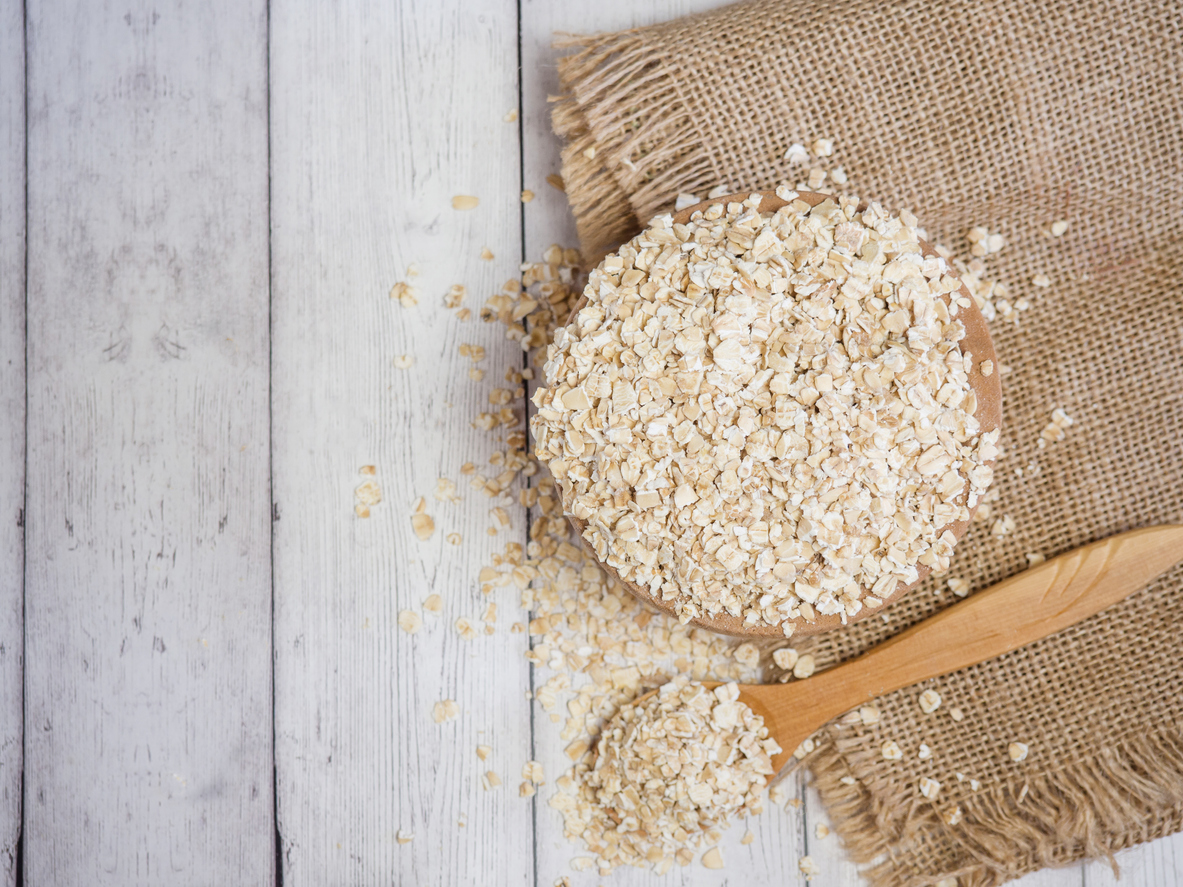
Porridge oat flakes are rolled thinly to cook quickly, creating a creamy texture ideal for breakfast.
Uses:
-
Classic porridge or oatmeal bowls
-
Overnight oats
-
Smooth, creamy baking recipes
Nutritional highlights:
-
Rich in soluble fibre, supporting heart and gut health
-
Moderate protein content
-
Slow-release carbohydrates for sustained energy
Cooking tips:
Simmer with milk or water for 3–5 minutes for a creamy texture. Perfect for adding toppings like fruits, nuts, or seeds.
Jumbo Oat Flakes: hearty and textured
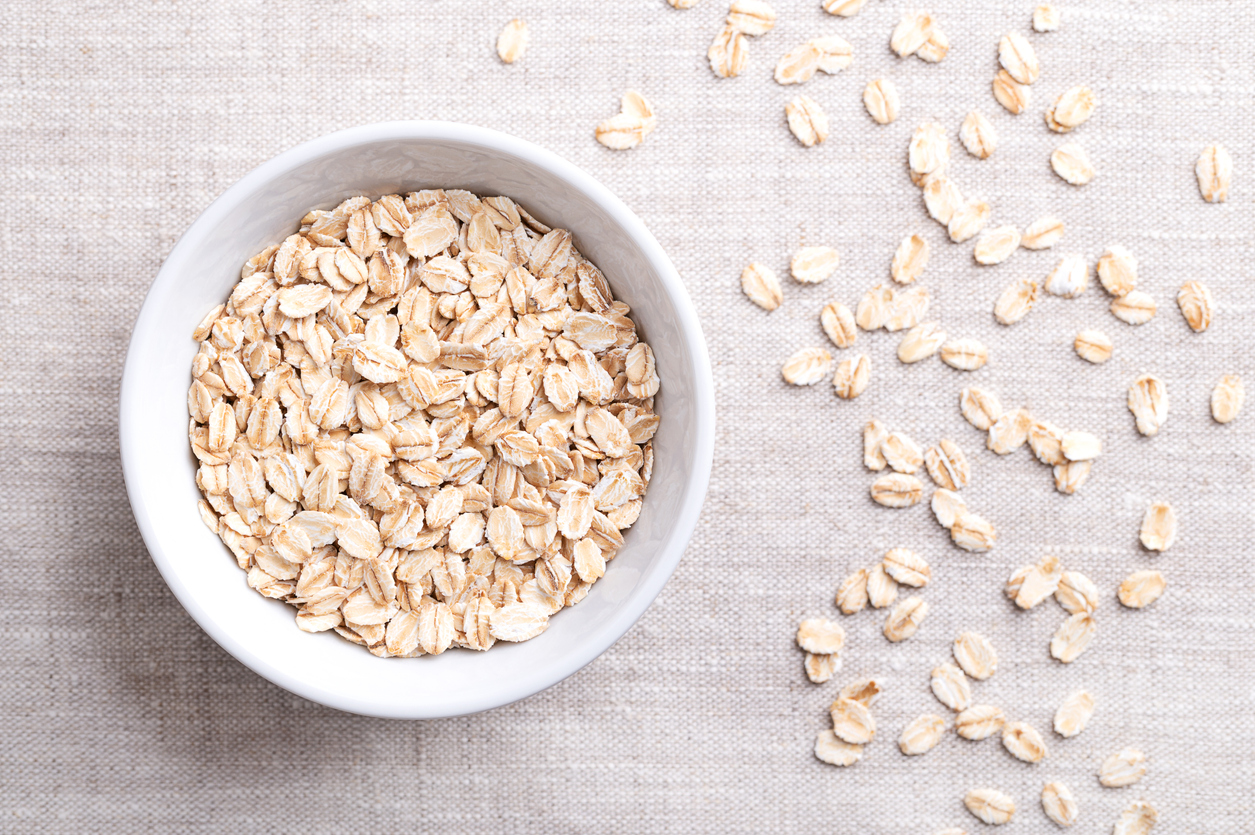
Jumbo oat flakes are larger and thicker than porridge oats, giving a chewier texture.
Uses:
-
Rustic porridge with more bite
-
Granola or muesli mixes
-
Baking for texture in breads or cookies
Nutritional highlights:
-
High in fibre and beta-glucans
-
Protein content similar to porridge oats
-
Keeps you fuller for longer due to slower digestion
Cooking tips:
Simmer a little longer than porridge oats (5–10 minutes) for creamy results while retaining some bite.
Oatmeal (Pinhead, Fine, Coarse): versatile and traditional
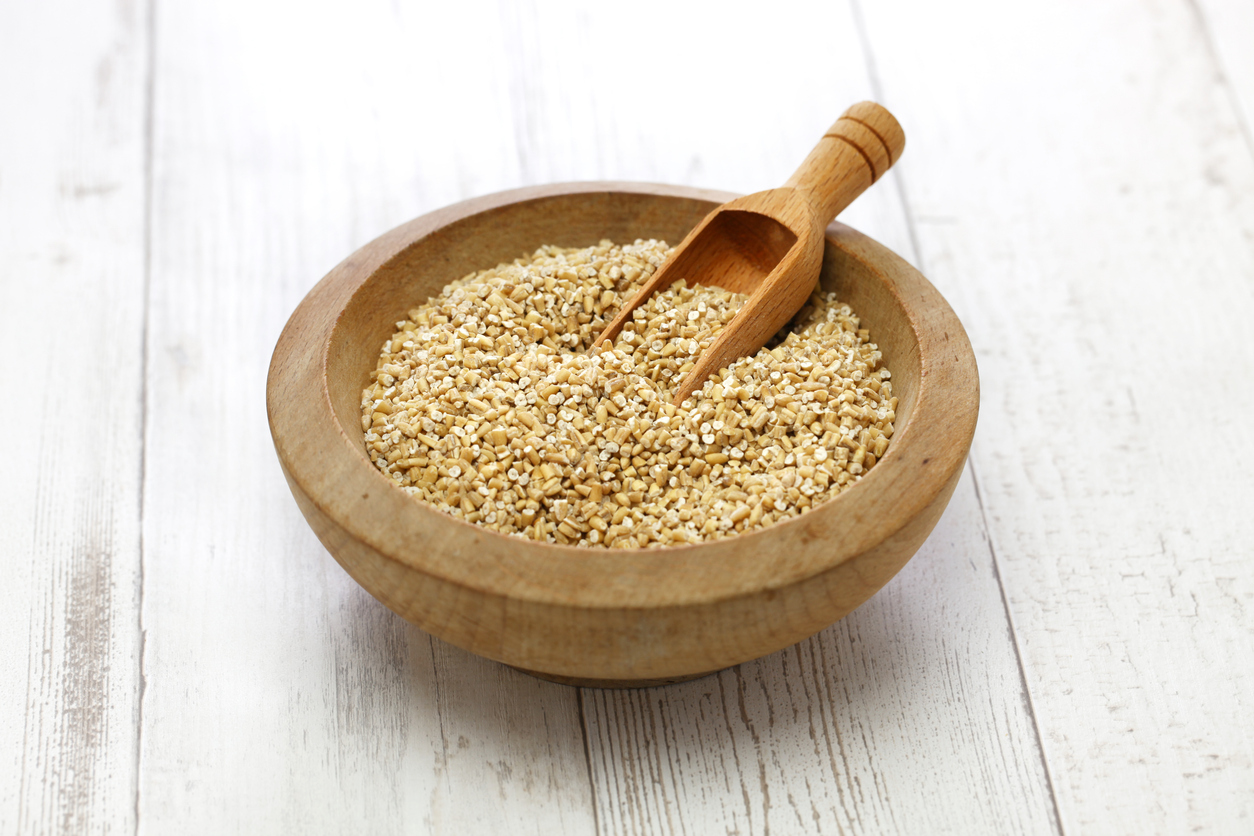
Oatmeal refers to chopped oat groats, and comes in different sizes:
-
Pinhead (steel-cut) – small, chopped pieces
-
Fine – finer cuts for quicker cooking
-
Coarse – larger pieces, chewier texture
Uses:
-
Porridge with varying textures
-
Soups or baked goods requiring oat structure
-
Overnight oats or oat risottos
Nutritional highlights:
-
Excellent source of soluble fibre and protein
-
Slower to digest than rolled oats, providing long-lasting energy
-
Supports blood sugar stability
Cooking tips:
Pinhead oats take longer to cook (15–25 minutes) but deliver a nutty flavour. Fine and coarse cuts reduce cooking time while maintaining texture.
Oat Bran: fibre-rich outer layer
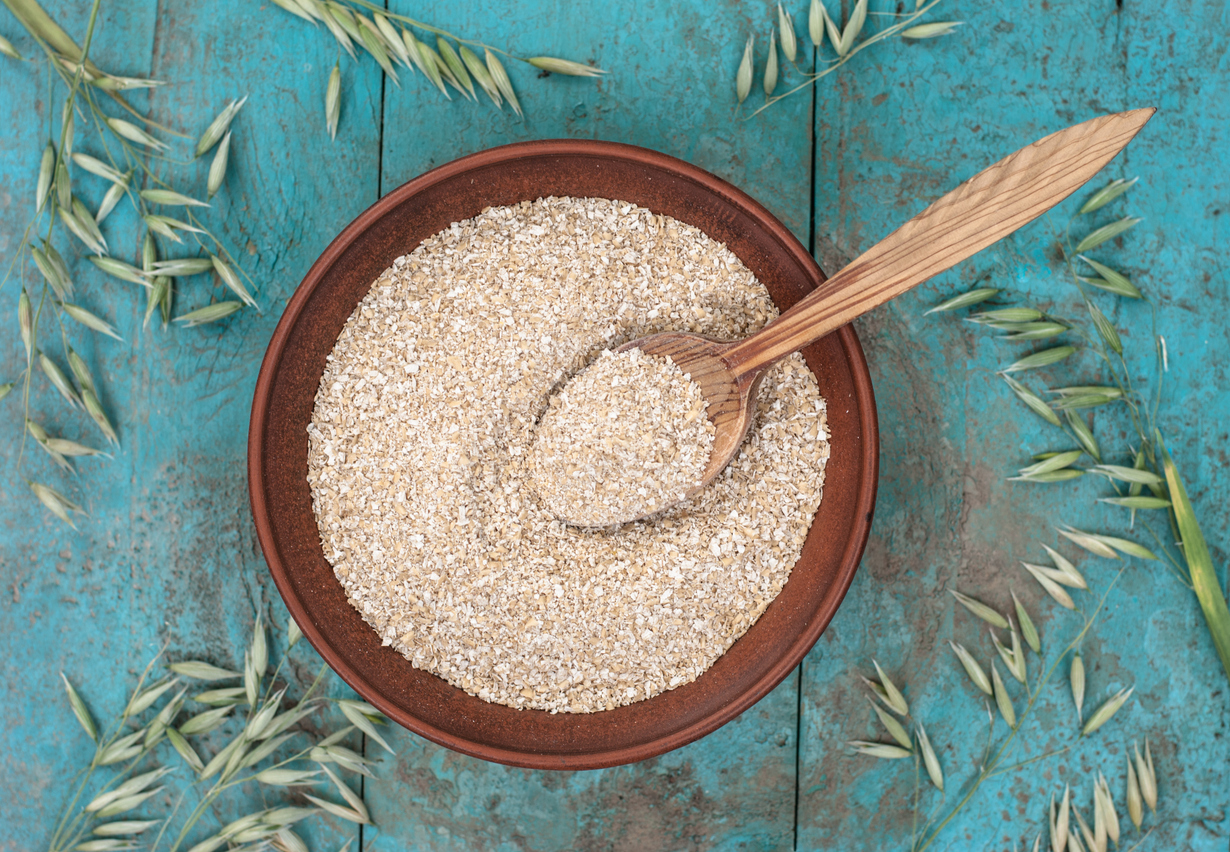
Oat bran is the outer layer of the oat groat, separated during milling.
Uses:
-
Adding to porridge for extra fibre
-
Baking fibre-rich breads and muffins
-
Thickening soups or smoothies
Nutritional highlights:
-
Very high in soluble fibre, especially beta-glucans
-
Can support cholesterol management
-
Moderate protein content
Cooking tips:
Oat bran cooks quickly — 1–2 minutes in boiling water or milk. Mix with rolled oats for a creamier texture.
Whole Oat Groats: whole, unprocessed oats
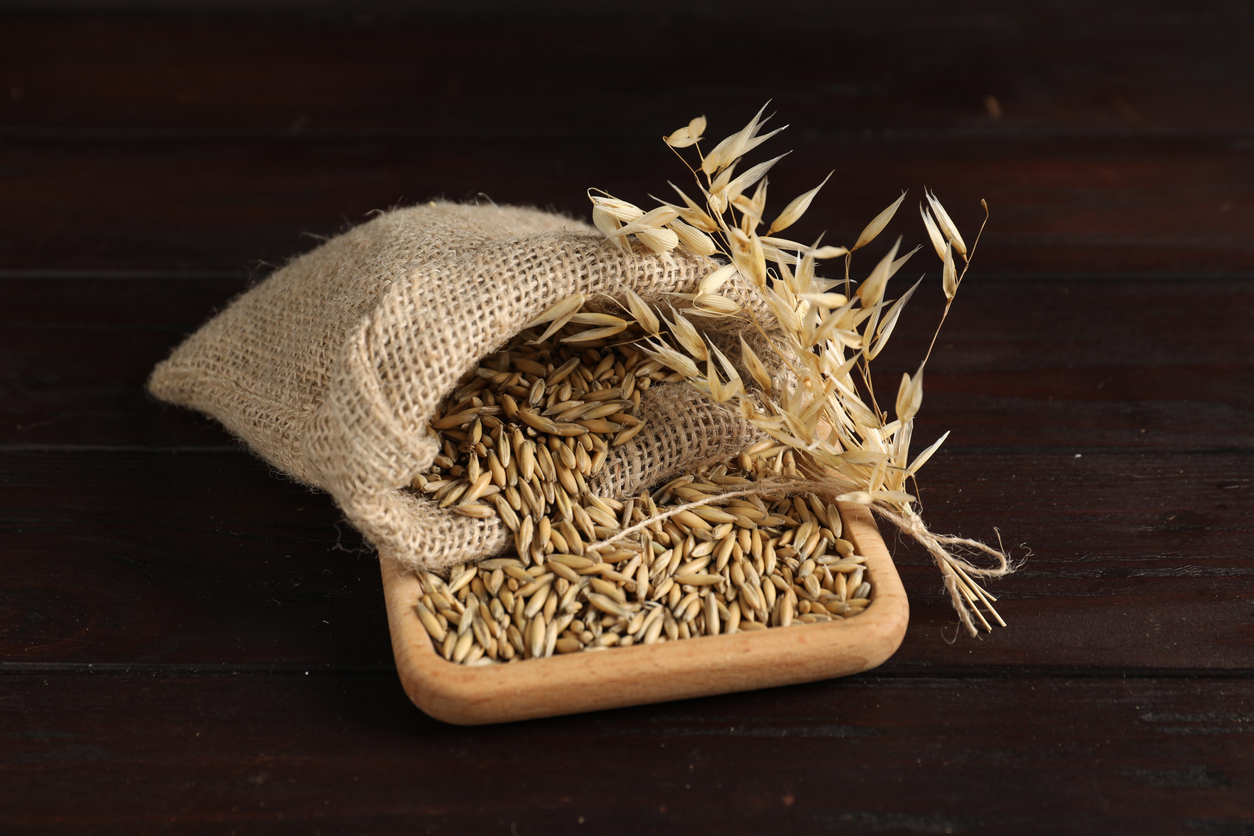
Whole oat groats are the minimally processed, entire oat kernel with the bran, germ, and endosperm intact.
Uses:
-
Hearty porridge or breakfast bowls
-
Grain salads and pilafs
-
Slow-cooked dishes like stews
Nutritional highlights:
-
Highest fibre content of all oat forms
-
Rich in protein, vitamins, and minerals
-
Very slow digestion, supporting long-lasting energy
Rinse before cooking. Simmer for 30–45 minutes until tender. For quicker cooking, soak overnight.
Explore our organic porridge oats range
Whatever you need oats for, we'll have them. Browse our full porridge oat flakes category hub to find high-quality options that suit your cooking style and dietary needs.