Flakes and cereals are a versatile and nutritious addition to any kitchen. Whether you're looking for a healthy breakfast, a snack, or an ingredient to enhance your cooking, flakes come in many varieties, each with its own unique flavor and health benefits.
Why Flakes Deserve a Place in Your Cupboard
Flakes are made from whole grains that have been steamed, rolled, or flattened to retain their nutrients. They’re packed with fibre, protein, and a wide array of vitamins and minerals, making them an excellent choice for breakfast or any meal. Plus, they’re incredibly versatile — great for adding to smoothies, porridge, baking, and more. Whether you prefer oats, rye, or quinoa, adding flakes to your diet can give you a nutritious energy boost for the day ahead.
Flake Types
Oat Flakes
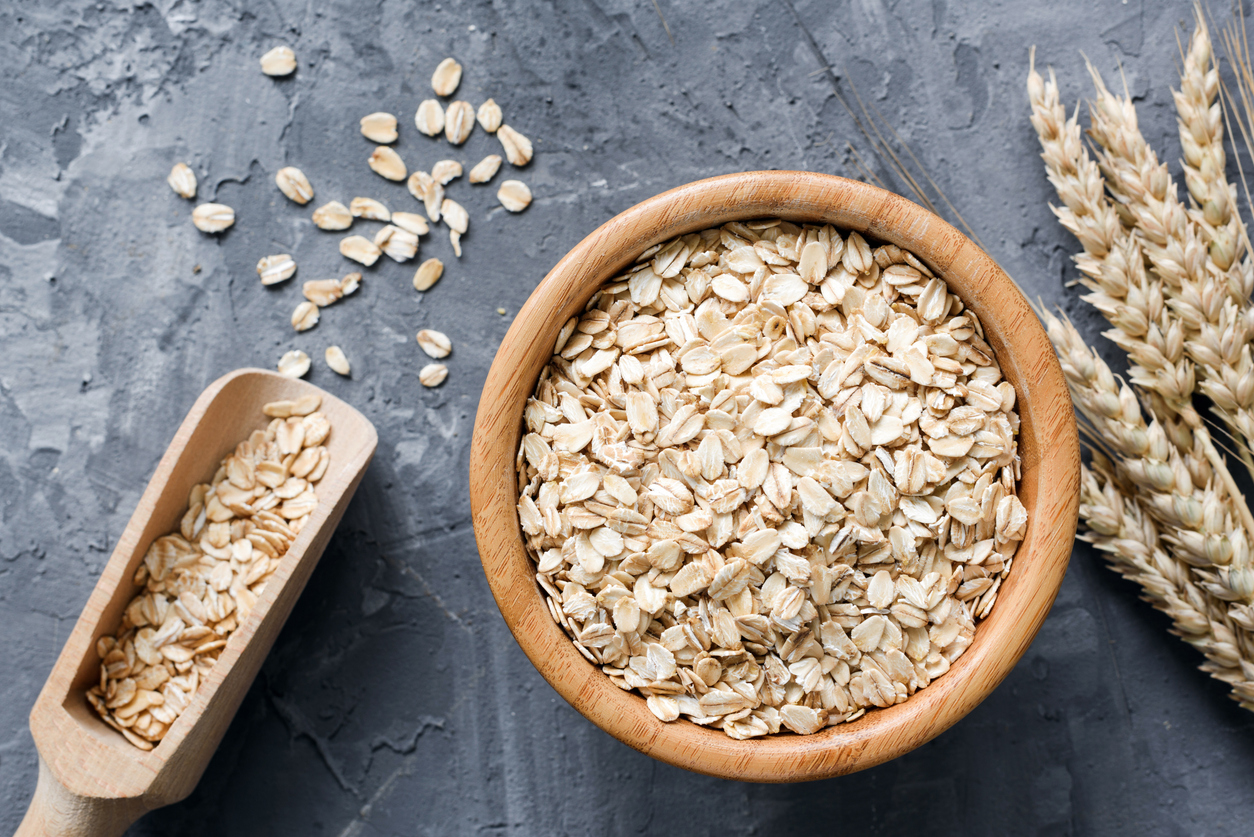
Oat flakes are one of the most popular breakfast cereals. Made from whole oats that are steamed and flattened, they have a soft, creamy texture when cooked, making them ideal for porridge or muesli.
Nutritional Highlights
- Rich in beta-glucan, which helps reduce cholesterol levels
- Excellent source of soluble fibre
- Contains iron, magnesium, and B-vitamins
How to Use Oat Flakes
- Cook with plant-based milk for a hearty porridge
- Sprinkle over yoghurt or add to smoothies for extra fibre
- Use in baking to add texture to muffins, granola, and cookies
Buckwheat Flakes
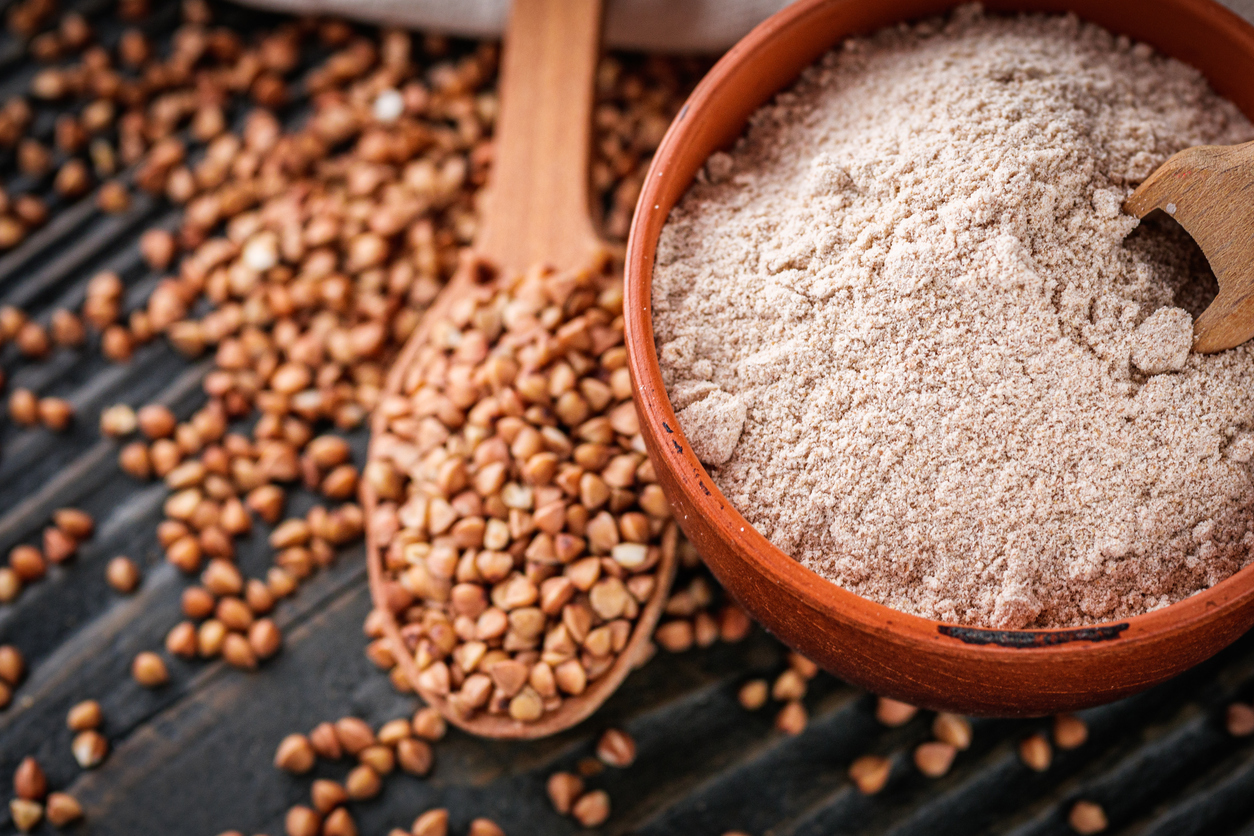
Buckwheat flakes are gluten-free and offer a nutty flavour that can complement both sweet and savoury dishes. These flakes are packed with antioxidants, protein, and fibre, making them a great addition to a balanced diet.
Nutritional Highlights
- Gluten-free and high in plant-based protein
- Contains antioxidants like rutin and quercetin
- Rich in magnesium and fibre
How to Use Buckwheat Flakes
- Perfect for a gluten-free porridge or breakfast bowl
- Mix into granola for a crunchy texture
- Add to soups and stews for a nutritious boost
Barley Flakes
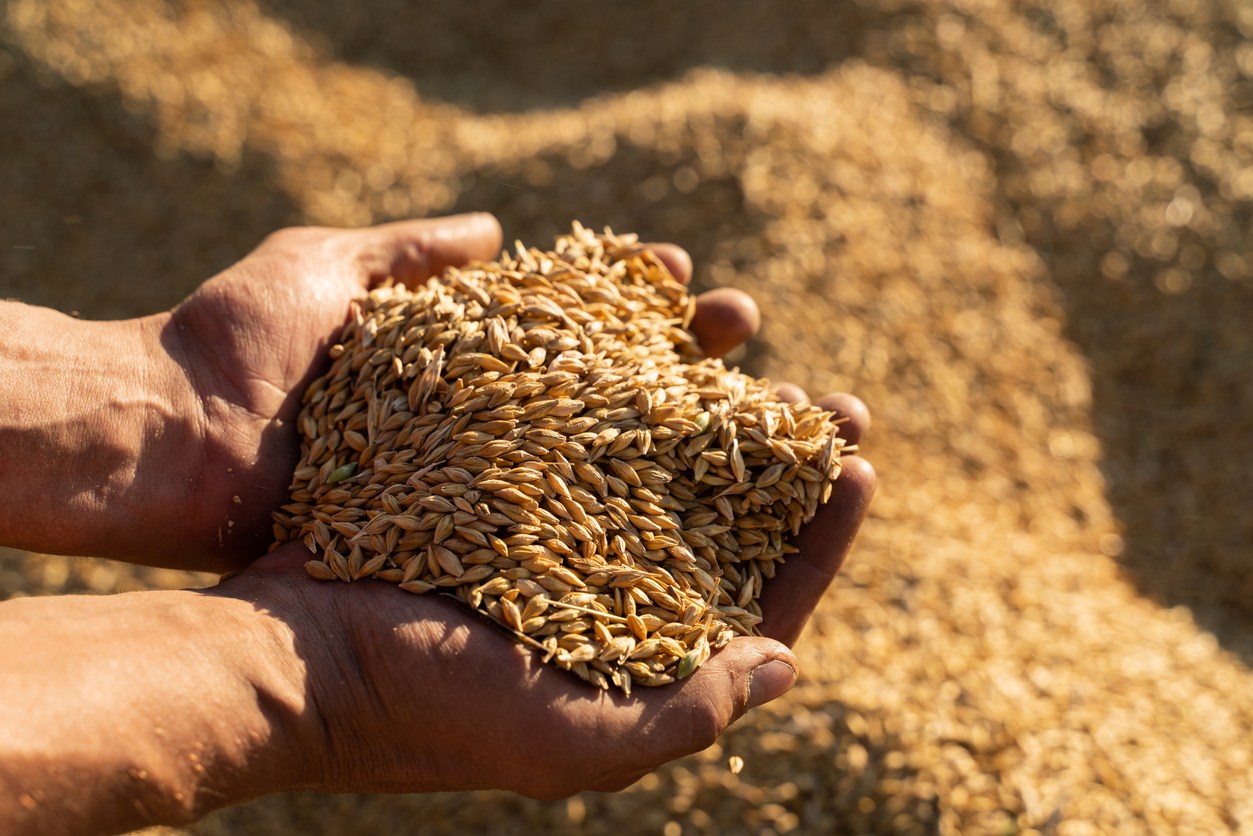
Barley flakes are a great source of fibre and have a mild, nutty taste. They are perfect for adding texture to meals, and they also help support digestive health.
Nutritional Highlights
- High in soluble fibre, which supports heart health
- Good source of B-vitamins and iron
- Helps regulate blood sugar levels
How to Use Barley Flakes
- Use in porridge for a hearty breakfast
- Add to salads or grain bowls for extra fibre
- Mix into your baking for a nutty texture
Spelt Flakes
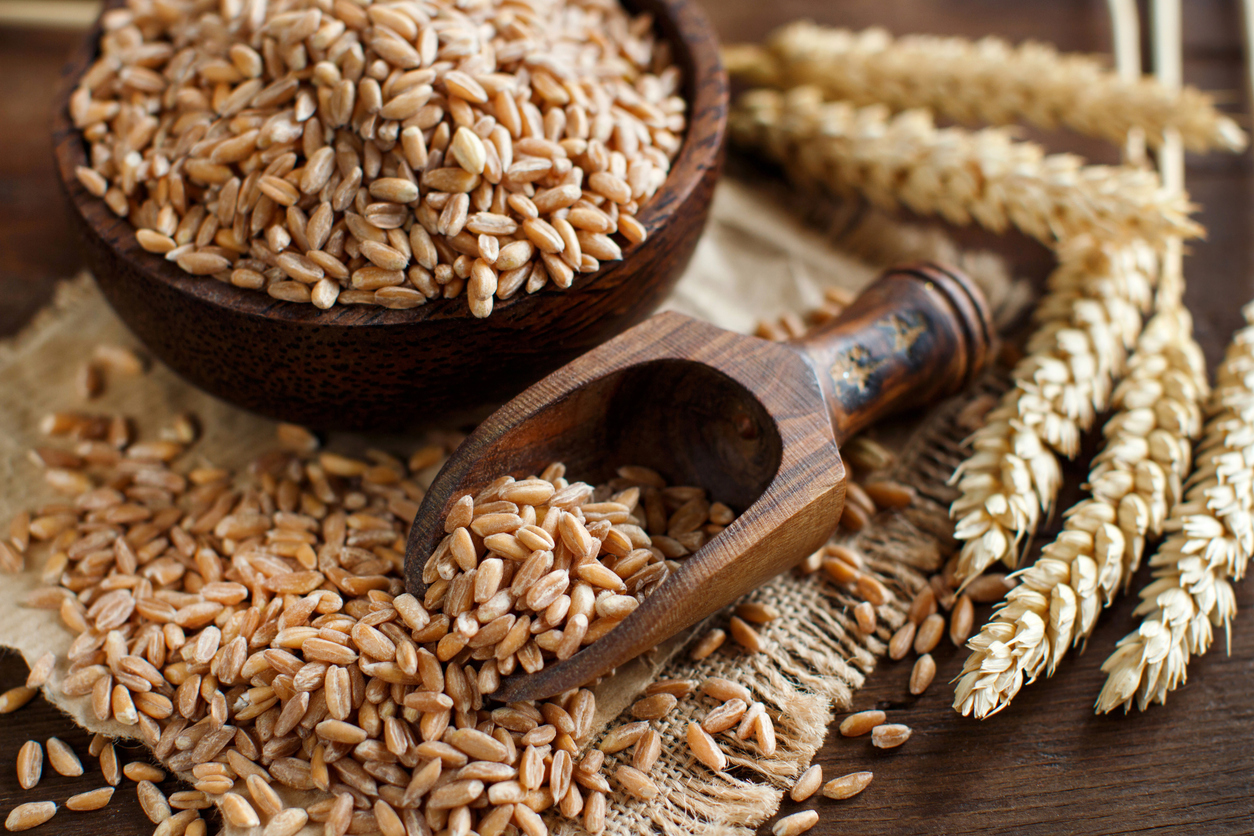
Spelt flakes are made from an ancient grain with a mildly sweet flavour and soft texture. They are rich in fibre, protein, and essential minerals, making them a perfect addition to your breakfast or snack.
Nutritional Highlights
- High in protein and dietary fibre
- Contains manganese, zinc, and iron
- Supports digestion and boosts energy
How to Use Spelt Flakes
- Cook with milk or water for a wholesome porridge
- Add to granola or energy bars for extra crunch
- Incorporate into baking recipes for added texture
Shop Organic Spelt Flakes
Wheat Bran
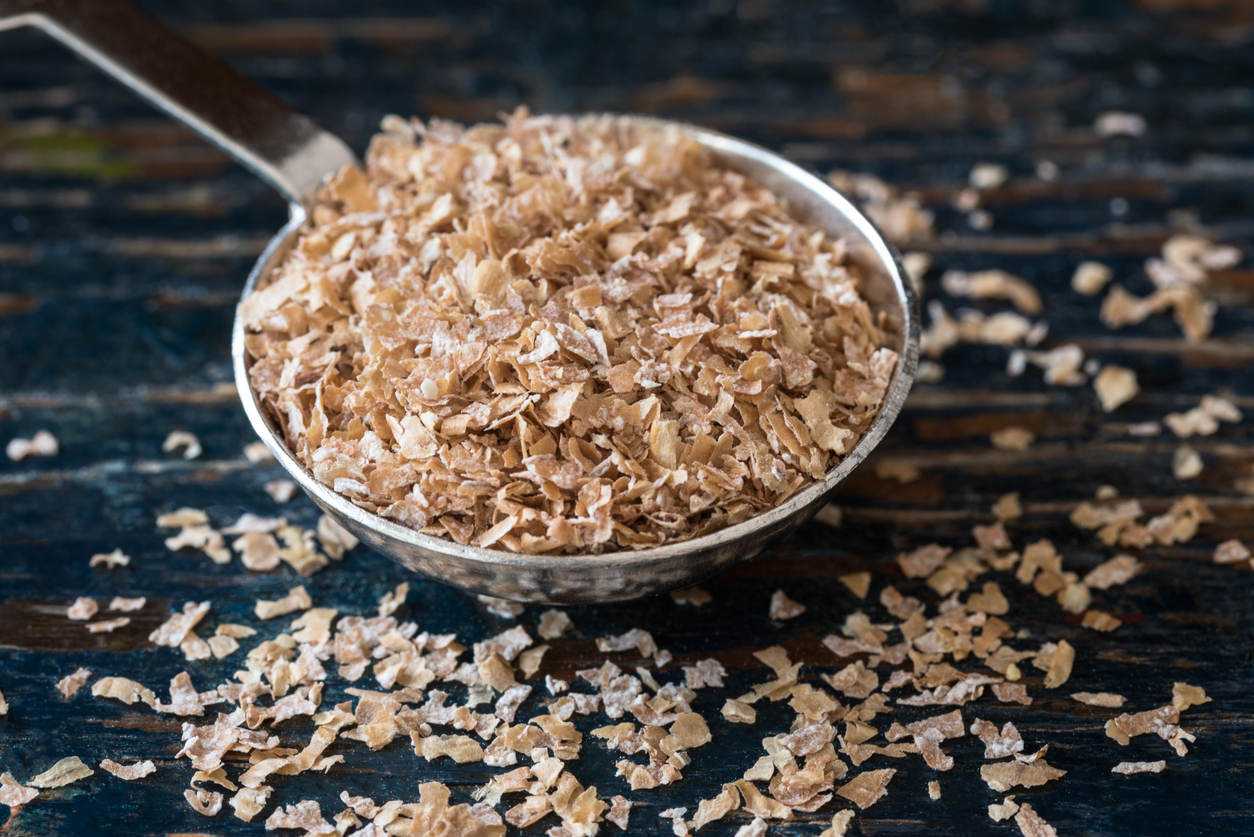
Wheat bran is the outer layer of the wheat grain and is extremely high in dietary fibre. It's excellent for digestive health and can be added to cereals, smoothies, and baked goods.
Nutritional Highlights
- High in insoluble fibre, which supports healthy digestion
- Rich in vitamins and minerals, including iron and magnesium
- Helps regulate blood sugar levels and supports heart health
How to Use Wheat Bran
- Mix into cereals, smoothies, or yogurt for added fibre
- Add to baking recipes for extra texture and nutrition
- Use as a fibre supplement to improve digestion
Millet Flakes
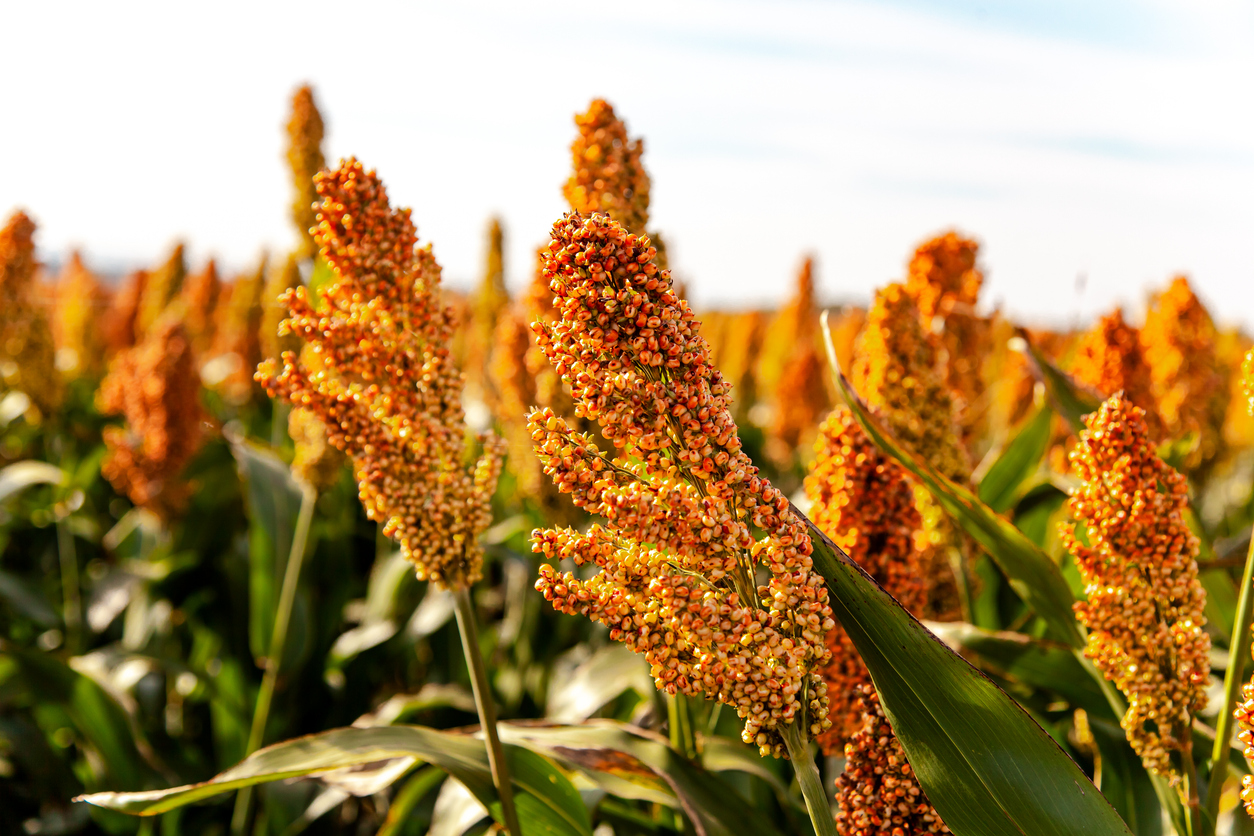
Millet flakes are light and mildly sweet. These gluten-free flakes are a great source of vitamins, minerals, and antioxidants, making them a perfect choice for anyone following a gluten-free diet.
Nutritional Highlights
- Rich in magnesium and B-vitamins
- High in fibre and antioxidants
- Gluten-free and ideal for gluten-sensitive individuals
How to Use Millet Flakes
- Cook into porridge or a hot cereal
- Add to salads or grain bowls for extra crunch
- Incorporate into baking for a delicate texture
Quinoa Flakes
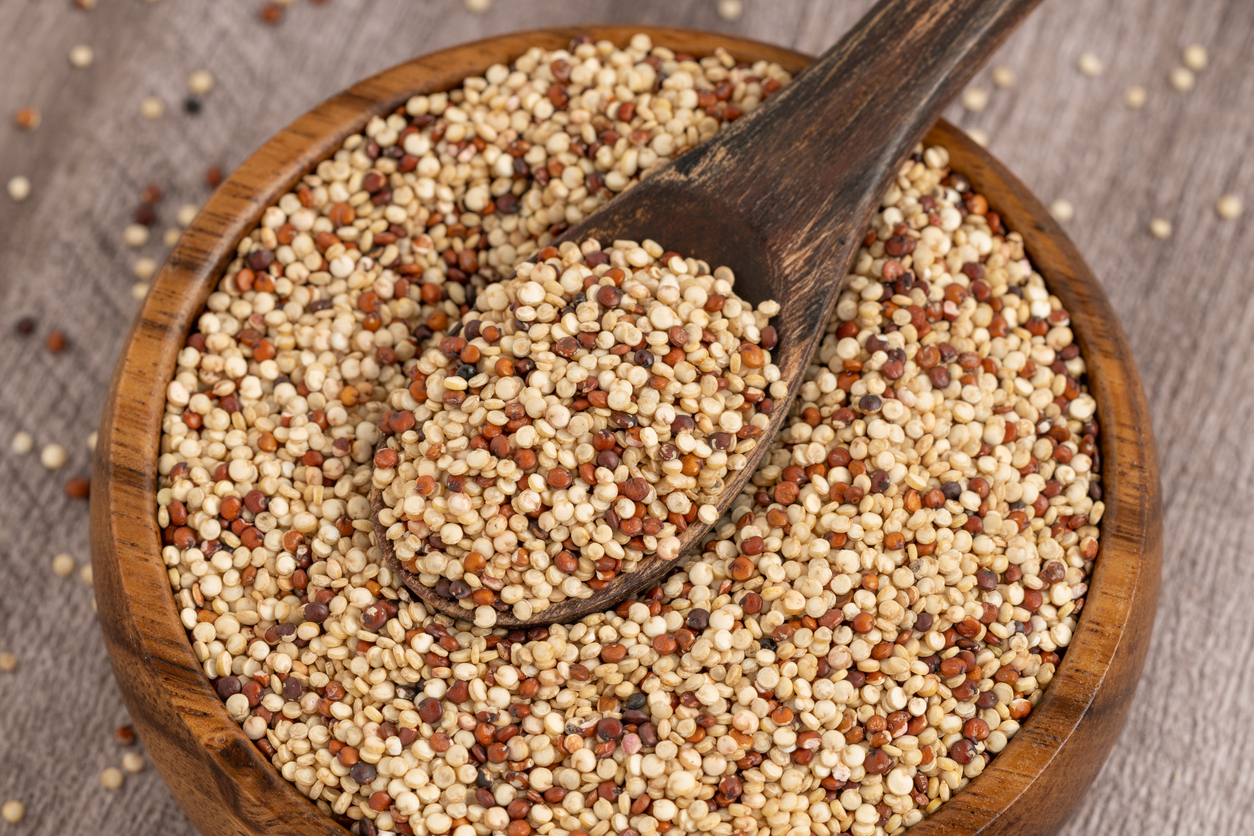
Quinoa flakes are made from the nutrient-packed quinoa grain, which is a complete protein. They are gluten-free and have a mild, nutty flavour. Quinoa flakes are an excellent choice for anyone on a gluten-free or plant-based diet.
Nutritional Highlights
- Complete plant-based protein source
- High in iron, magnesium, and fibre
- Gluten-free and ideal for gluten-free diets
How to Use Quinoa Flakes
- Use in porridge or as a base for granola
- Add to baking for added protein and texture
- Incorporate into smoothies or energy bars
Rye Flakes
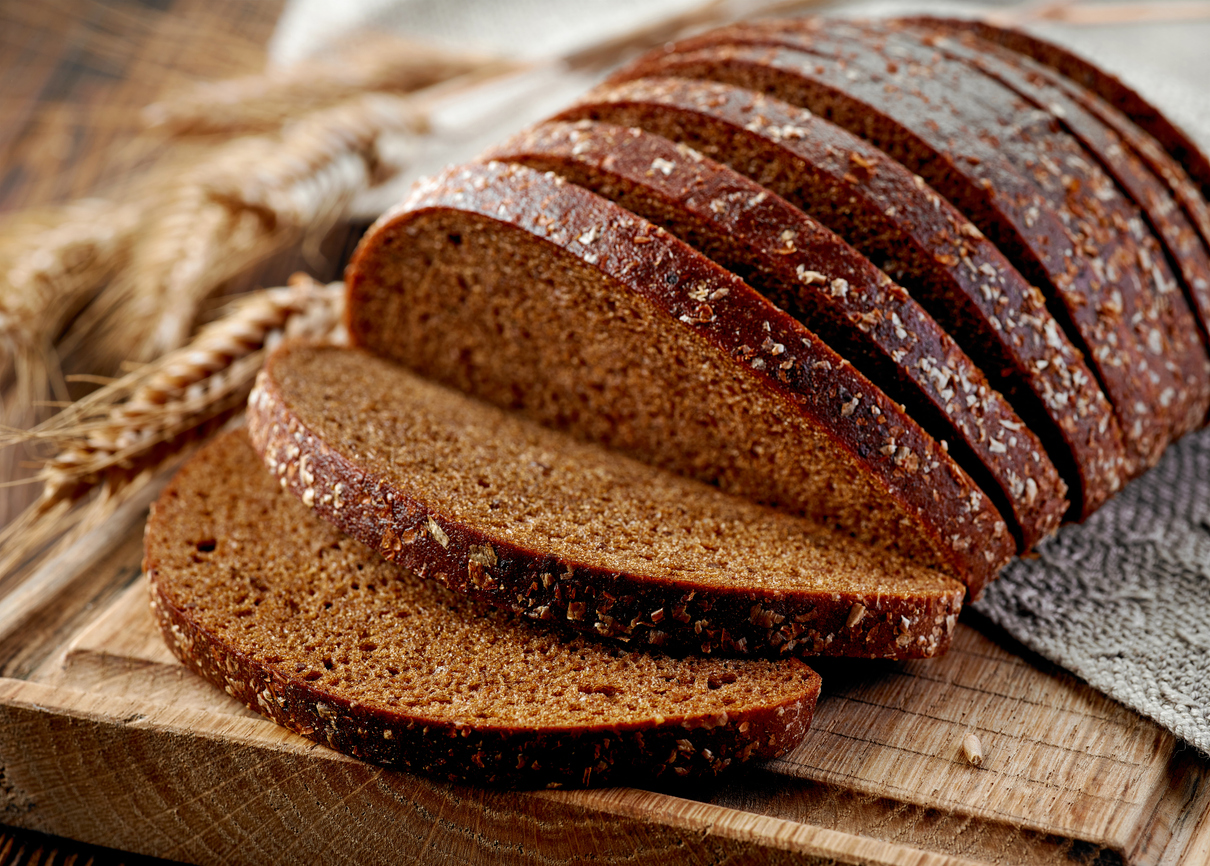
Rye flakes are made from rye grain, which is rich in fibre and has a slightly earthy, tangy flavour. Rye flakes are an excellent choice for adding texture to cereals or baked goods.
Nutritional Highlights
- Rich in fibre and antioxidants
- Supports digestive health
- Contains vitamins B and E
How to Use Rye Flakes
- Use as a base for porridge or muesli
- Add to baking or mix into granola
- Pair with dried fruit and nuts for a quick snack
Shop Organic Crispy Rye Flakes
Wheat Flakes
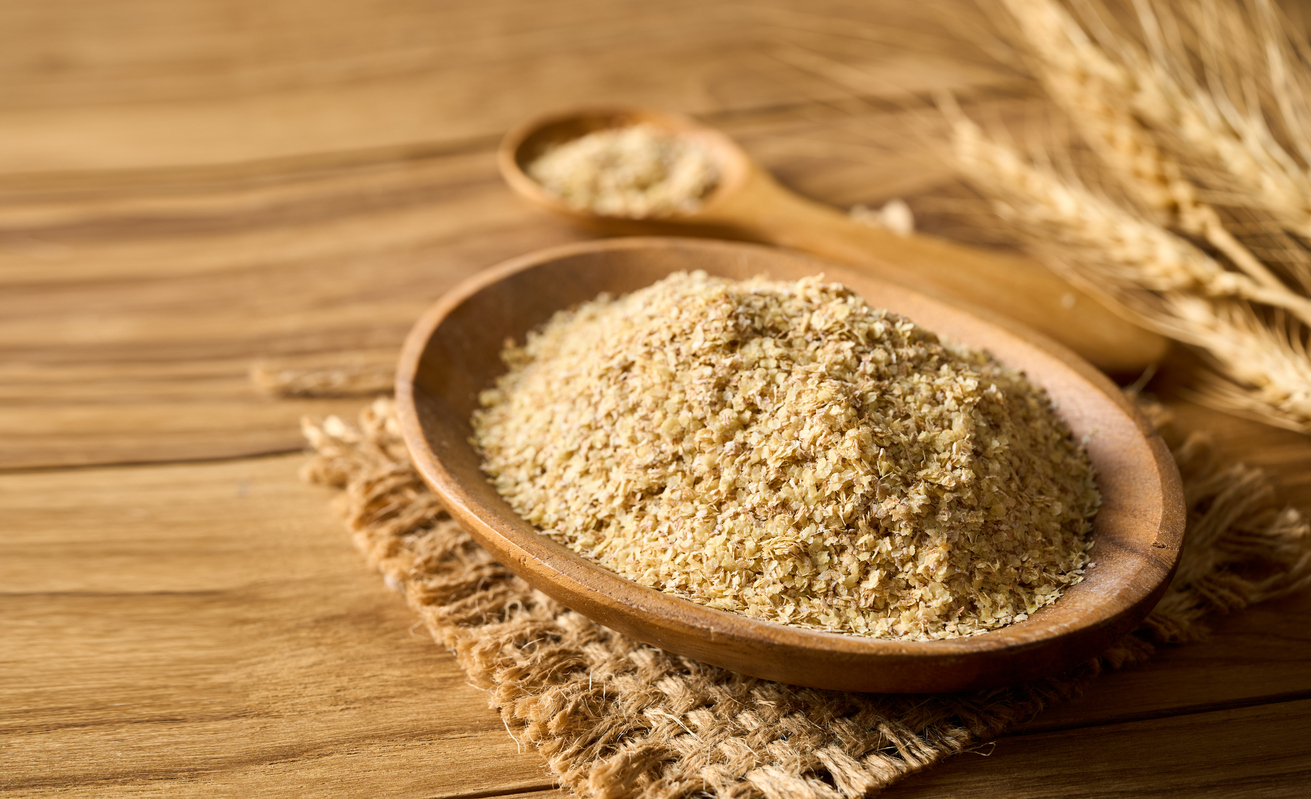
Wheat flakes are made from whole wheat grains and are mildly sweet with a soft texture. They are a good source of fibre and are commonly used in porridge, granola, and baked goods.
Nutritional Highlights
- High in fibre and iron
- Contains B-vitamins and folate
- Helps support heart health and digestive function
How to Use Wheat Flakes
- Cook in porridge or muesli for breakfast
- Incorporate into granola or trail mix
- Use as an ingredient in baked goods for added texture
Conclusion
Flakes are not only delicious and easy to use but also offer a host of health benefits. From gluten-free options to high-protein flakes, there’s a type for everyone. Explore our full selection of flakes and cereals and start adding these versatile grains to your daily meals.