The media focus has been shifting from protein to fibre in recent months, which started a wellness trend called Fibremaxxing. Influencers across different social media platforms showcase their high-fibre meals, tracking daily fibre intake.
Fibremaxxing is slightly dramatic way of saying: ‘eat more plants to meet or exceed your daily fibre needs’.
There is a reason for the hype around fibre topic – recent studies reveal that 9 out of 10 people across UK aren’t getting enough of this vital nutrient.
What is fibre and why should we eat it?
Dietary fibre - fibrous plant substances that pass through small intestines undigested, as we lack digestive enzymes to break it down.
There are two main types of fibre to keep in mind: soluble, that forms a gel when mixed with liquid, and insoluble, which does not.
The former, once reached the large intestine, gets fermented by your friendly bacteria producing short-chain fatty acids (SCFAs), which nourish colon cells and contribute to metabolic and immune health. Good examples of soluble fibre-rich foods would be oats, barley, apples, prunes, figs, beans, avocados, flaxseeds, chia seeds, hazelnuts.
The latter passes through the colon unchanged. Insoluble fibre acts like a ‘brush’, clearing the digestive tract out and speeding up digestion. Examples of sources containing high amounts would be brown rice, wheat grain and wheat bran, leafy greens, peas, nuts, seeds, berries.
Most plants contain both types in various proportions.
Did you know? Prebiotics - food for your good gut bacteria, is nothing other than soluble fibre!
Fibre slows sugar spikes during meals, managing blood sugar levels and improving insulin response. This also means stable energy throughout the day, preventing sugar crashes that leave you drained.
Eating fibre can reduce risk of heart disease, Type 2 diabetes, stroke, high cholesterol levels. May help to protect against bowel cancer. Fibre keeps your microbiome happy and nourished.
It keeps us regular, helping with constipation.
It is crucial to consume both – soluble and insoluble, to maintain healthy digestive system and overall wellbeing. Additionally, different gut bacteria like to eat different types of soluble fibre.
How can you make sure that you are getting both from your diet?
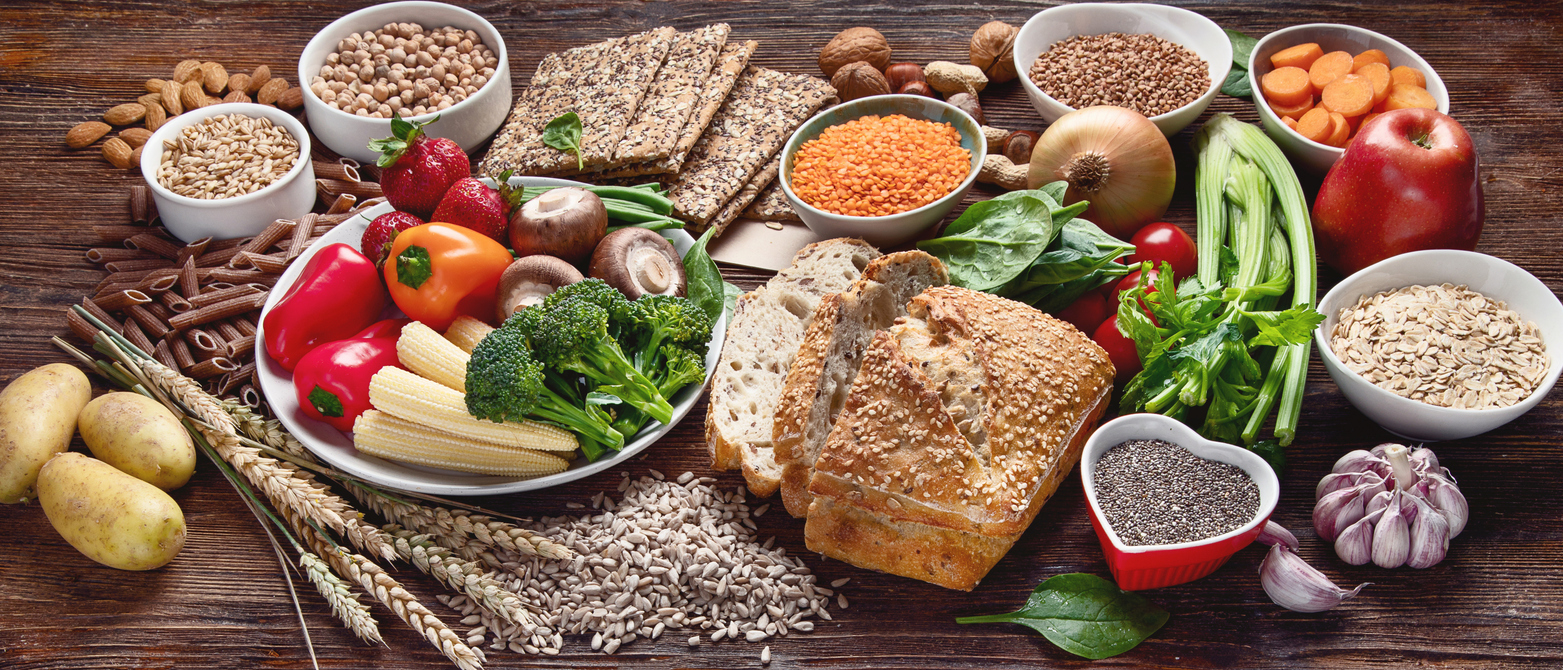
Embrace plant diversity! Focus on getting your fibre from wide range of colours and plant food groups, such as fruits, vegetables, whole grains, legumes, nuts and seeds.
How much fibre should we eat?
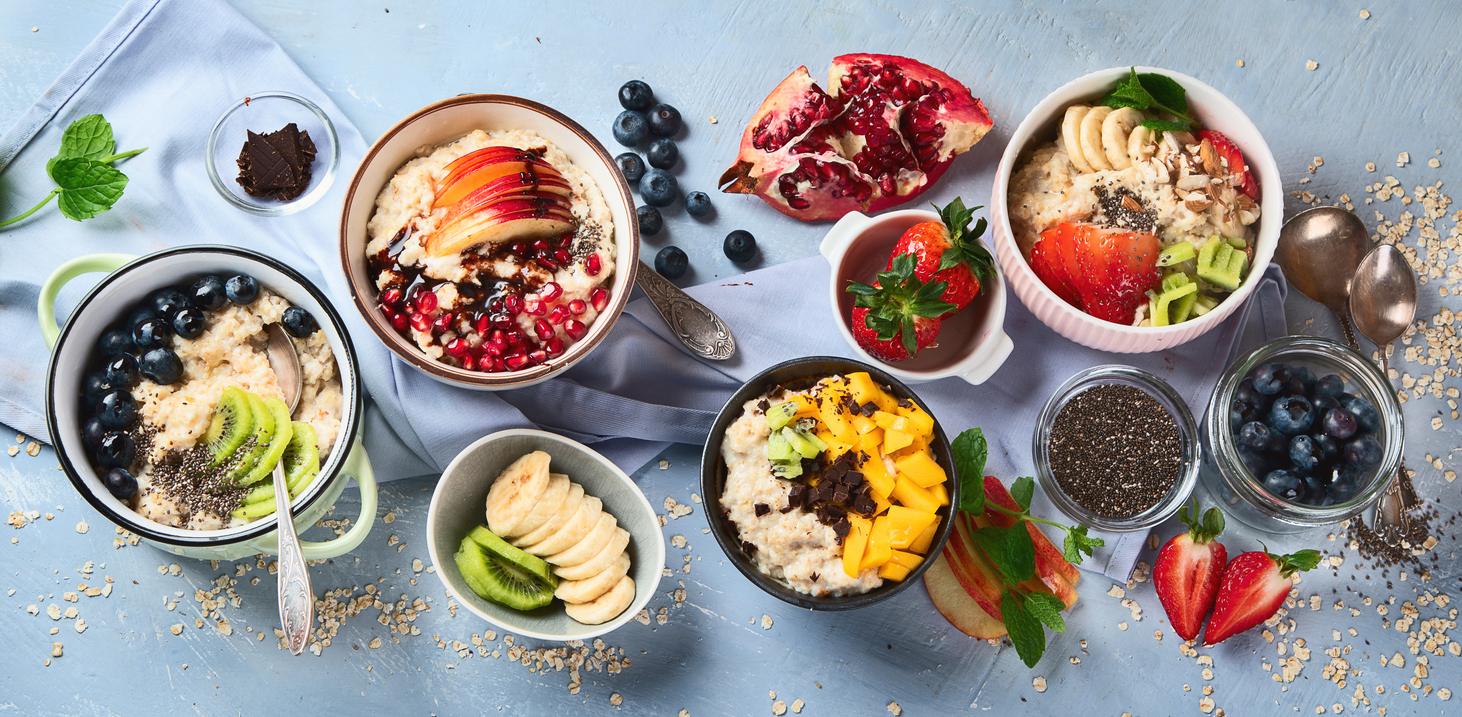
The recommended aim is 30g per day. In reality, an average person in UK consumes between 12g – 18g.
Look at the back of food packaging to make an informed choice.
Macros tracking Apps might be helpful, MyFitnessPal, MacrosFirst, Cronometer are some of the top choices.
Here are some useful examples to make a note of:
-
1 medium carrot - 3g of fibre
-
1 medium banana - 3g fibre (green banana has 4g!)
-
1 medium potato with skin – 4g of fibre
-
½ cup of oats - 5g of fibre
-
1 small kiwi - 3g of fibre
-
½ cup of canned drained chickpeas – 6g of fibre
-
½ of red pepper – 4g of fibre
-
1Tbsp of chia seeds – 5g of fibre
-
Handful of hazelnuts or pecans – 3g of fibre
-
½ cup brown rice – 4g of fibre
-
½ cup of buckwheat – 3.5g of fibre
-
1 medium beetroot – 6g of fibre
-
½ drained canned red kidney beans – 8g of fibre
Easy food swaps to increase your fibre:
-
White pasta, rice and noodles – swap it for wholegrain versions.
-
Leave the skin on fruit and veg – think apples and baked potato!
-
Crisps - swap it for homemade popcorn
-
White bread – swap it for wholegrain bread (if it’s seeded loaf – even better!)
-
Shop – bought protein shake – swap it for homemade smoothie with fresh fruit (veg and herbs too!)
-
Cornflakes – swap it for porridge or granola, topped with fruit, nuts and seeds
You’ll find all of these and more at Real Foods, which have been distributing naturally high – fibre, nutritious foods since 1963, aiming to provide freshest, highest quality products to all our customers. Visit one of our Edinburgh stores or shop online.
Are there any risks involved in consuming high fibre?
While high fibre diet of a healthy adult is generally considered safe, there are key points to remember:
1. If you are not used to high amounts – increase your fibre gradually to give your gut time to adapt. Otherwise, it might lead to digestive discomfort and bloating. Start with 2g with each meal and slowly increase to obtain the desired amount.
2. Stay hydrated to avoid constipation. Fibre in the bowel absorbs large quantities of water, therefore aim for at least 2l of water a day.
3. If you have been diagnosed with gut conditions, such as IBS and IBD, large quantities of fibre might make symptoms worse. It is important to seek advice with your doctor or nutritionist.
4. Fibre supplements should not be taken within two hours of any prescribed medications they may interfere with its absorption.