Organic nuts are a staple in many kitchens — and for good reason. Packed with healthy fats, plant-based protein, fibre and essential minerals, nuts are one of the most versatile and nourishing foods you can keep in your cupboard. Whether you enjoy them raw, roasted, ground or blended, they add flavour, texture and nutrition to both sweet and savoury dishes.
In this guide, we’ll explore the benefits of organic nuts, how to use different varieties, the best ways to store them, and where to find high-quality options — all in one place.
Why choose organic nuts?
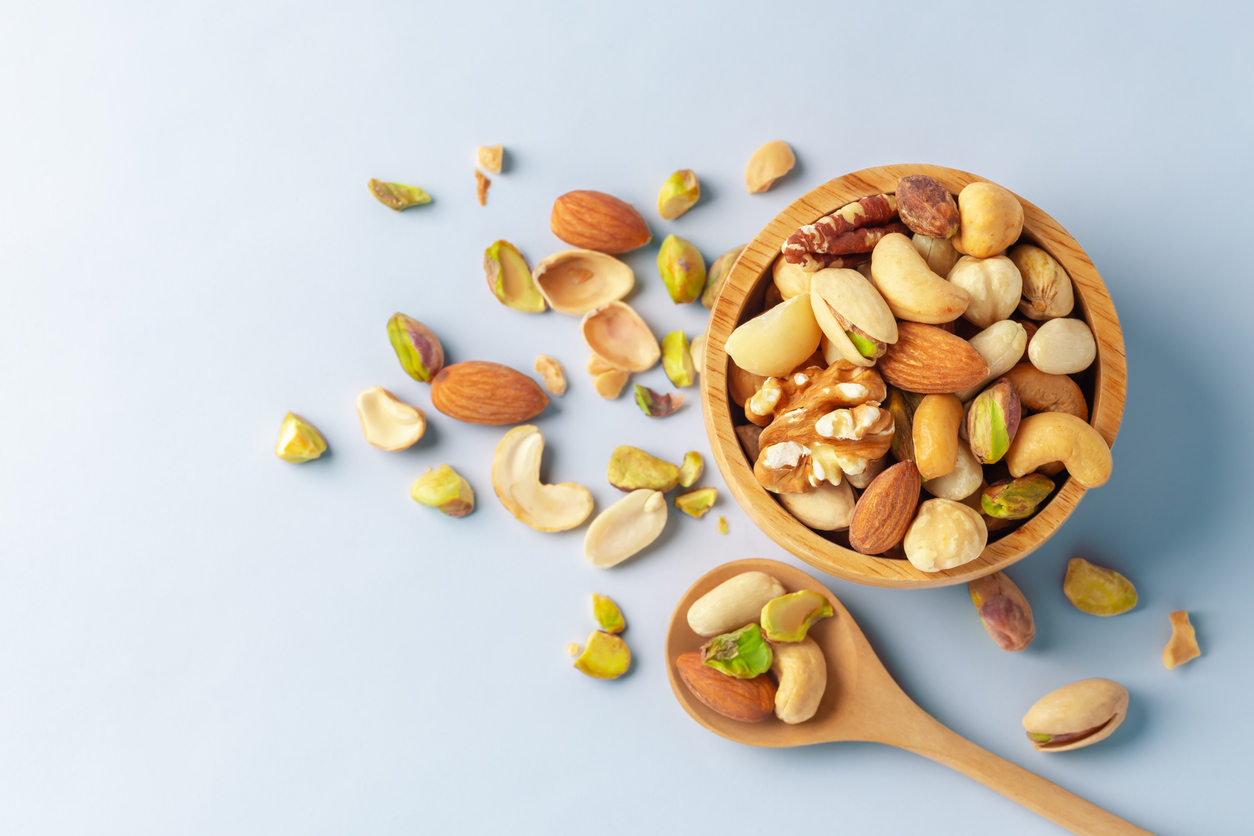
Choosing organic nuts means you’re opting for ingredients grown without synthetic pesticides or chemical fertilisers. This not only supports more sustainable farming practices, but also helps preserve the natural flavour and nutritional profile of the nuts themselves.
Organic nuts are particularly valued for their:
-
Naturally occurring healthy fats
-
Plant-based protein content
-
Fibre for digestive health
-
Vitamins and minerals such as magnesium, zinc and vitamin E
If you’re looking to explore the full range available, our organic nuts selection brings together high-quality nuts suitable for everyday cooking, baking and snacking.
The most popular organic nuts and how to use them
Different nuts shine in different roles. Here’s how to get the most out of some kitchen favourites.
Almonds: versatile and nutrient-dense
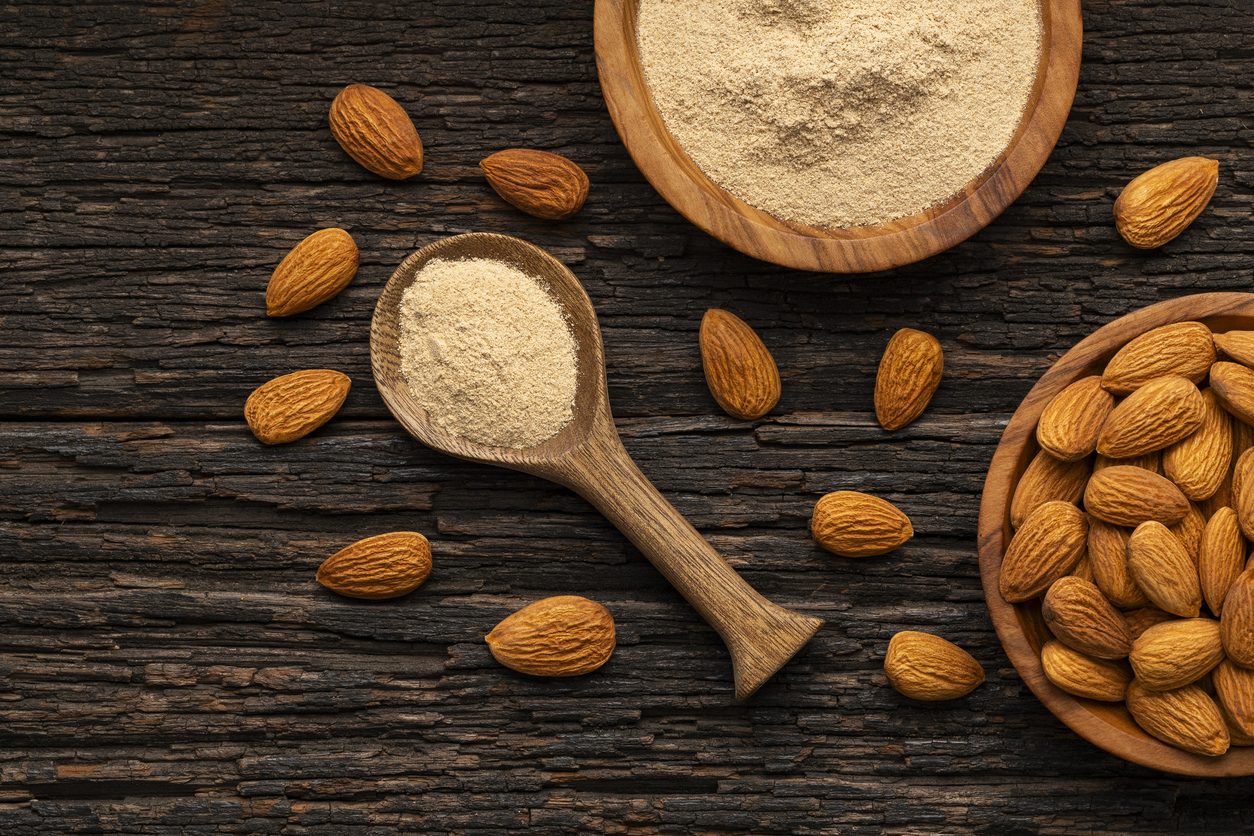
Almonds With their slightly sweet, nutty flavour, almonds are a versatile favourite for snacks and recipes alike.
Uses:
-
Muesli, granola, and porridge toppings
-
Blanched fine ground almonds are great for baking, including cakes, biscuits, and almond flour-based recipes
-
Smoothies and plant-based milk alternatives
Benefits:
Almonds are rich in vitamin E, magnesium, and healthy monounsaturated fats, supporting heart health, skin health, and sustained energy levels.
Cashew nuts: creamy and comforting
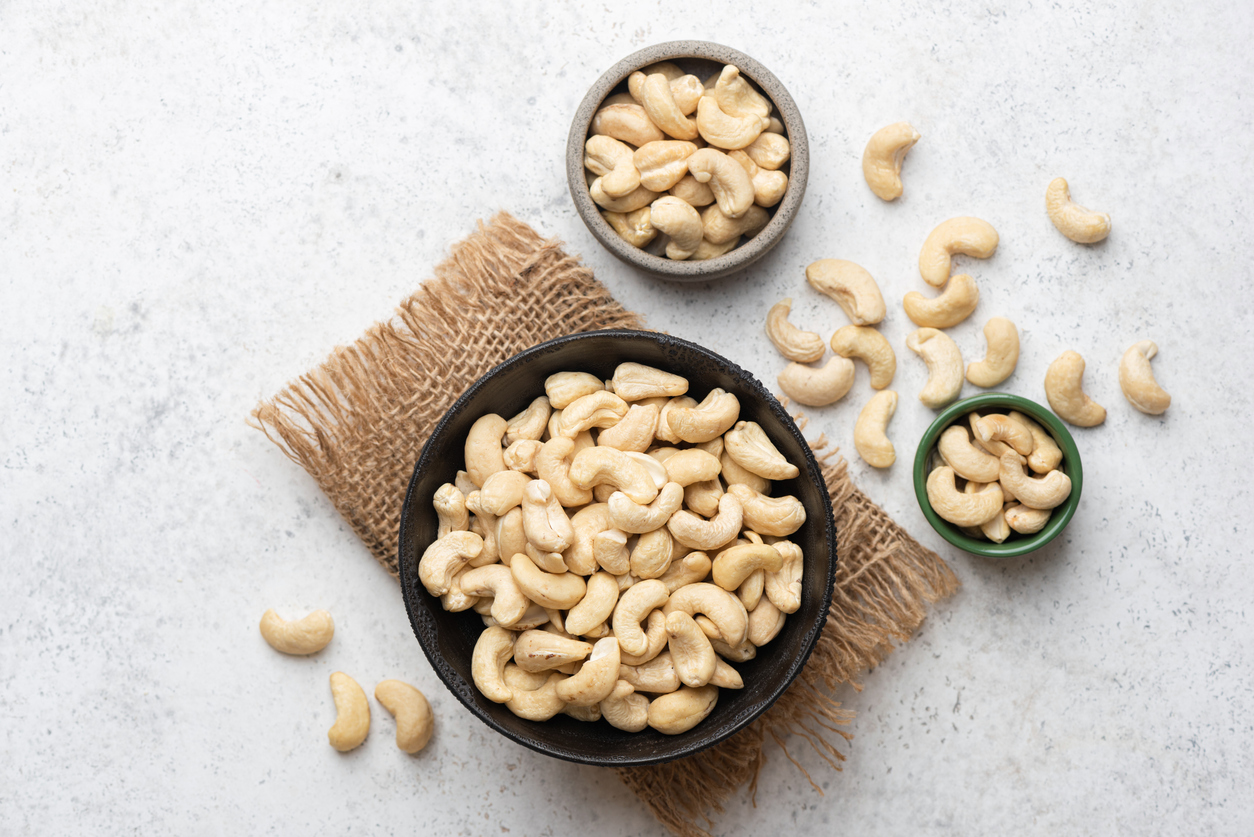
Cashews have a creamy, slightly sweet taste, making them a staple in both cooking and snacking.
Uses:
-
Vegan sauces and creamy dressings
-
Baking and desserts, such as cashew-based cheesecakes
-
Roasted snacks or trail mixes
Benefits:
Cashews are rich in magnesium, copper, and healthy fats, supporting bone health, heart function, and energy metabolism.
Walnuts: rich and robust
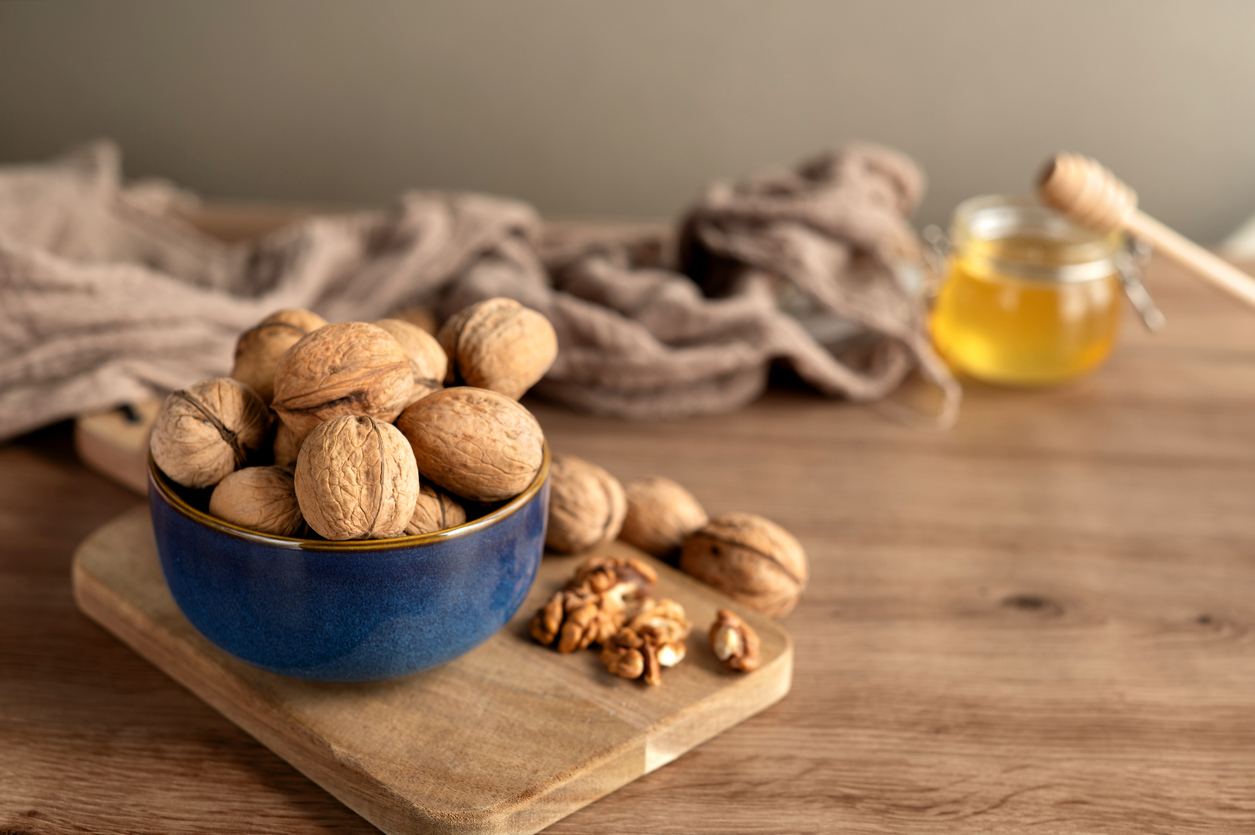
With their slightly bitter, earthy flavour, walnuts are a favourite for adding depth to recipes.
Uses:
-
Salads and roasted vegetables
-
Baking (especially banana bread and brownies)
-
Cheese boards and savoury tarts
Benefits:
They’re also a well-known source of omega-3 fatty acids, making them a popular choice for heart-conscious diets.
Hazelnuts: sweet and aromatic
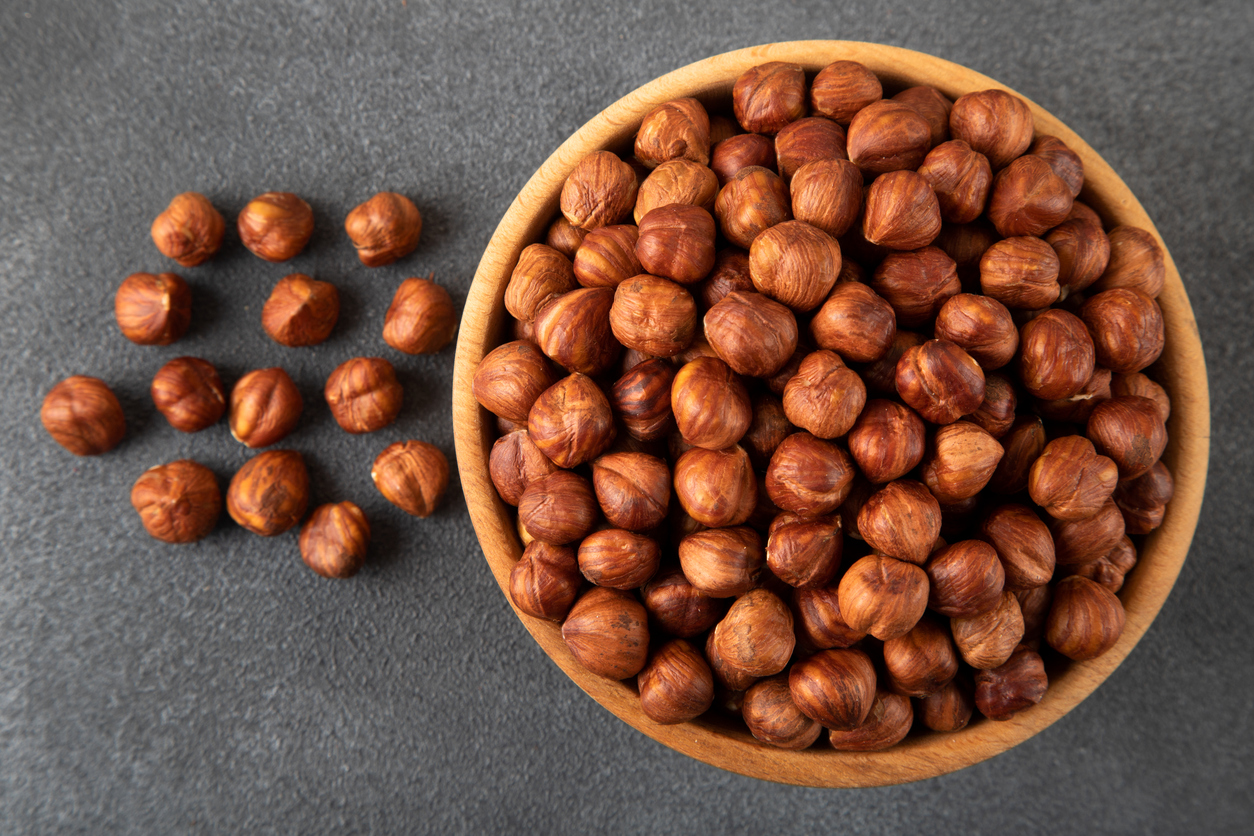
With a rich, aromatic flavour, hazelnuts are a popular choice for both sweet and savoury dishes.
Uses:
-
Chocolate and nut spreads
-
Baking, including tarts, cakes, and biscuits
-
Roasted or added to salads for crunch
Benefits:
Hazelnuts are a good source of vitamin E, folate, and monounsaturated fats, supporting heart health and antioxidant protection.
Brazil nuts: creamy and selenium-packed
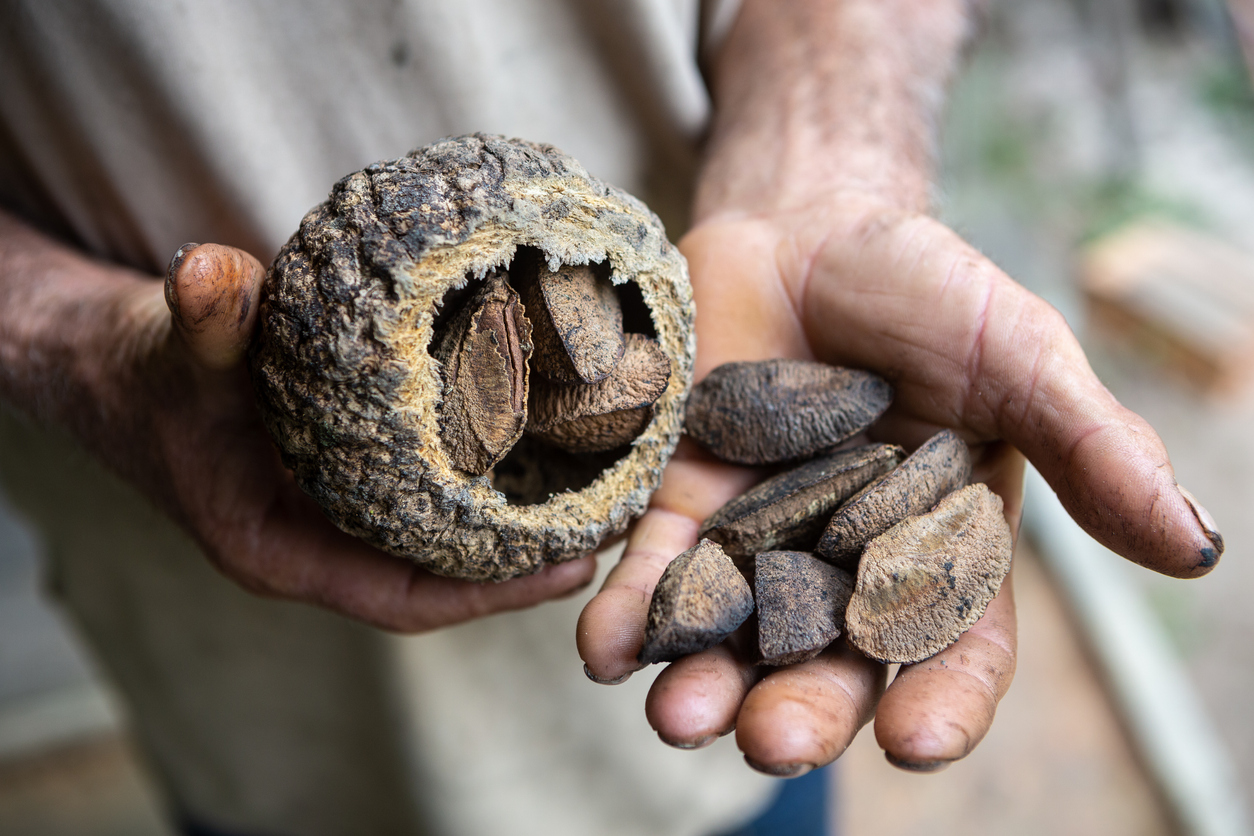
Brazil nuts have a rich, creamy flavour and are especially prized for their high selenium content.
Uses:
-
Snacking on their own
-
Chopped into granola or trail mixes
-
Adding to baked goods for a nutty depth
Benefits:
Brazil nuts provide selenium, healthy fats, and magnesium, supporting thyroid function, antioxidant protection, and overall cellular health.
Pecans: buttery and slightly sweet
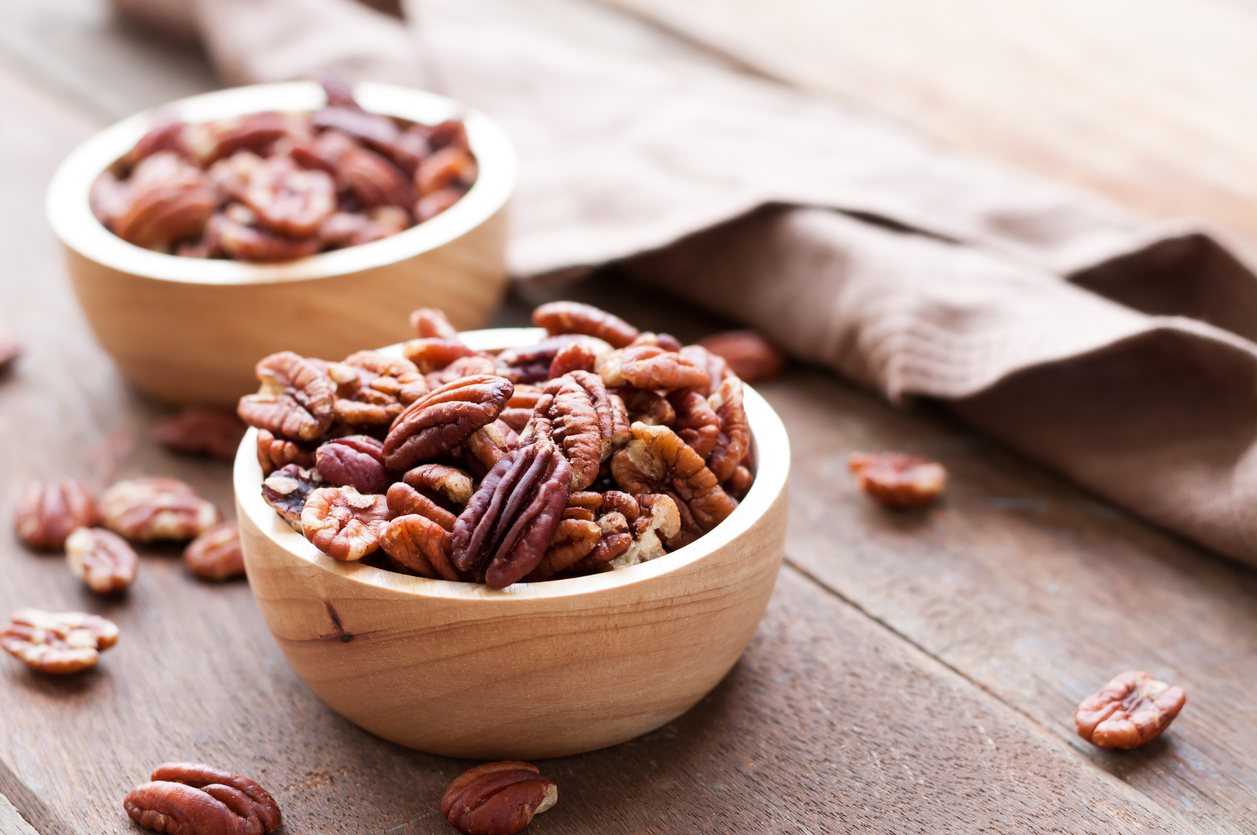
Pecans have a buttery, slightly sweet flavour that pairs well with both sweet and savoury dishes.
Uses:
-
Baking, including pies, cakes, and muffins
-
Topping for salads or roasted vegetables
-
Mixed into muesli or granola
Benefits:
Pecans are rich in monounsaturated fats, fibre, and antioxidants, promoting heart health and reducing oxidative stress.
Pistachios: vibrant and subtly sweet
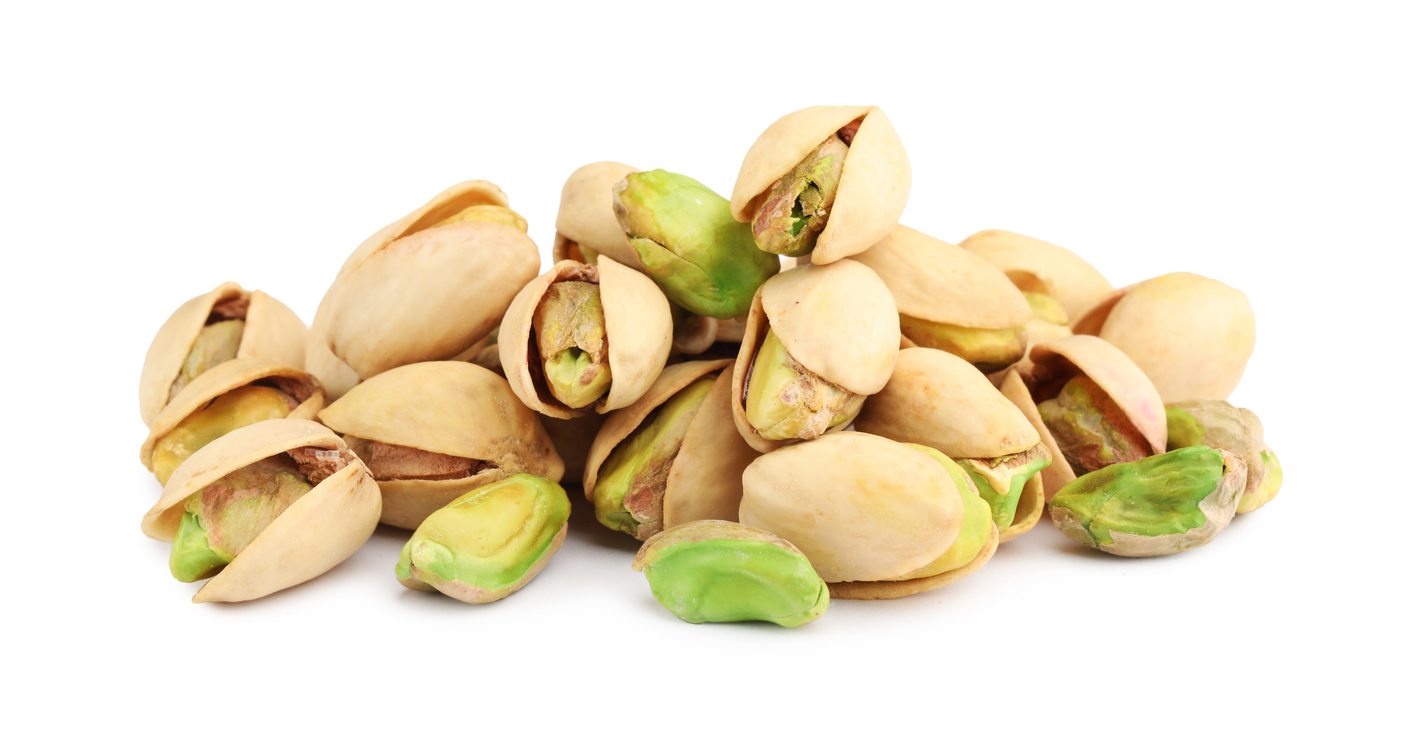
Pistachios offer a subtly sweet flavour and a vibrant green hue, making them a versatile addition to recipes.
Uses:
-
Snacking or adding to trail mixes
-
Baking and desserts, including pistachio biscuits or cakes
-
Sprinkling over salads or grain bowls
Benefits:
Pistachios are high in protein, fibre, and antioxidants, supporting digestive health, satiety, and immune function.
Peanuts: earthy and protein-rich
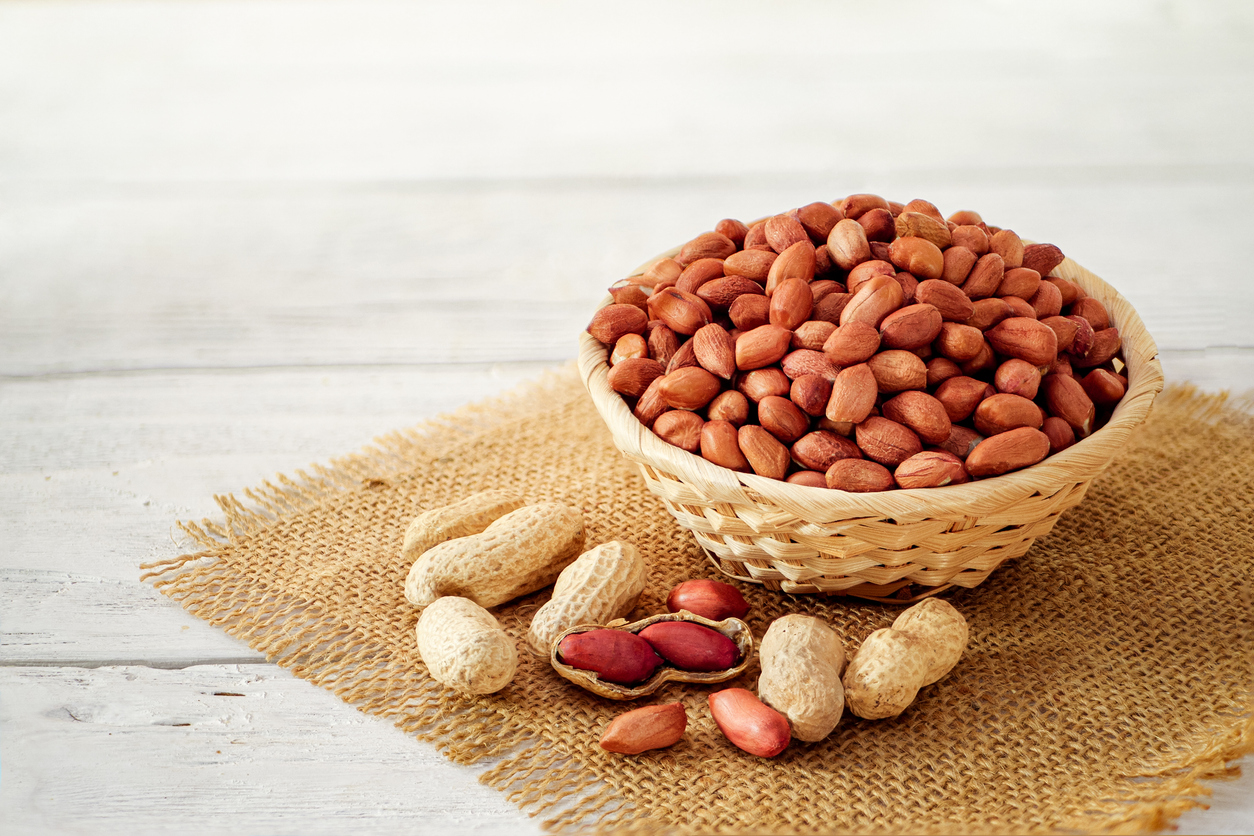
Although technically a legume, peanuts are enjoyed like nuts and have a rich, earthy flavour.
Uses:
-
Roasted snacks or peanut butter
-
Cooking sauces, stir-fries, and desserts
-
Trail mixes and granola
Benefits:
Peanuts provide plant-based protein, healthy fats, niacin, and folate, supporting energy metabolism, heart health, and muscle maintenance.
Macadamia nuts: rich and buttery
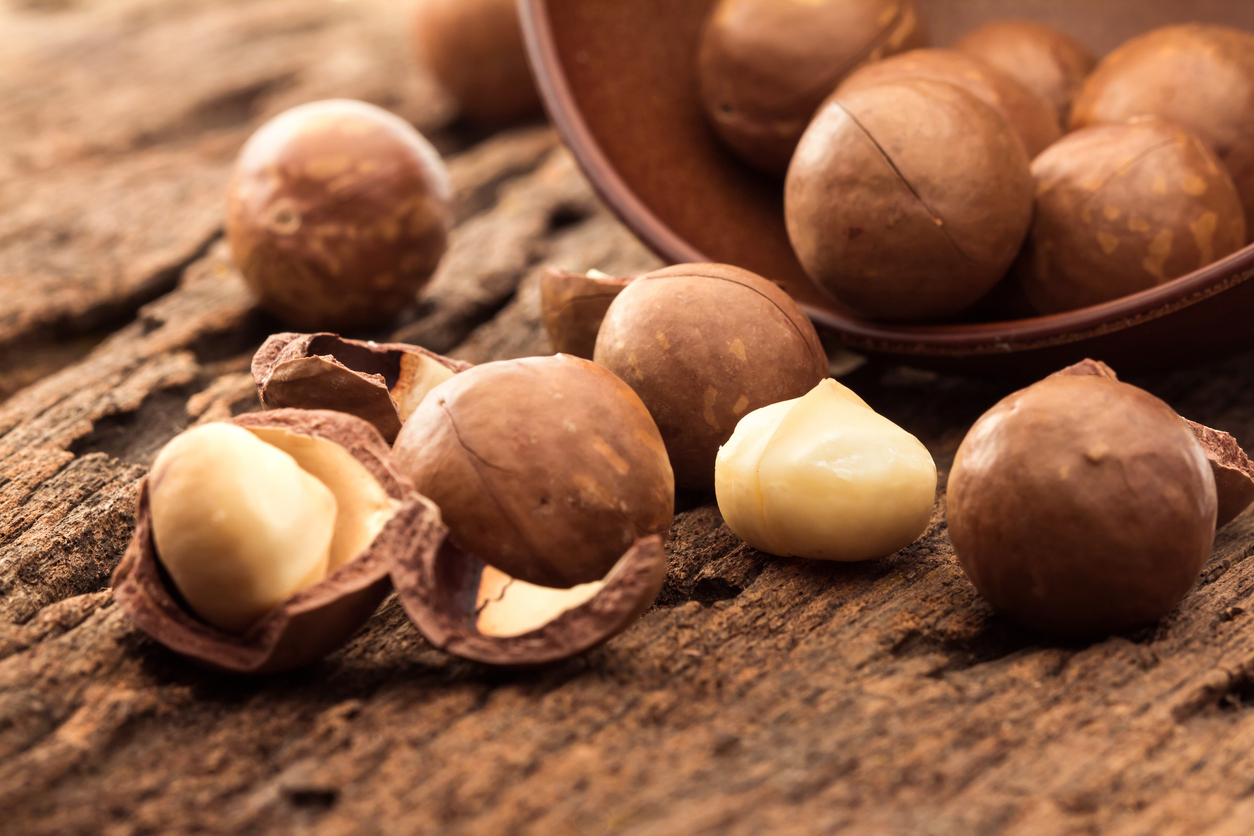
Macadamia nuts are prized for their rich, buttery taste and creamy texture.
Uses:
-
Baking, particularly cookies and desserts
-
Roasted snacks
-
Chopped into salads for added texture
Benefits:
They are high in monounsaturated fats and provide manganese and thiamine, supporting heart health, brain function, and energy metabolism.
Pine nuts: delicate and nutty
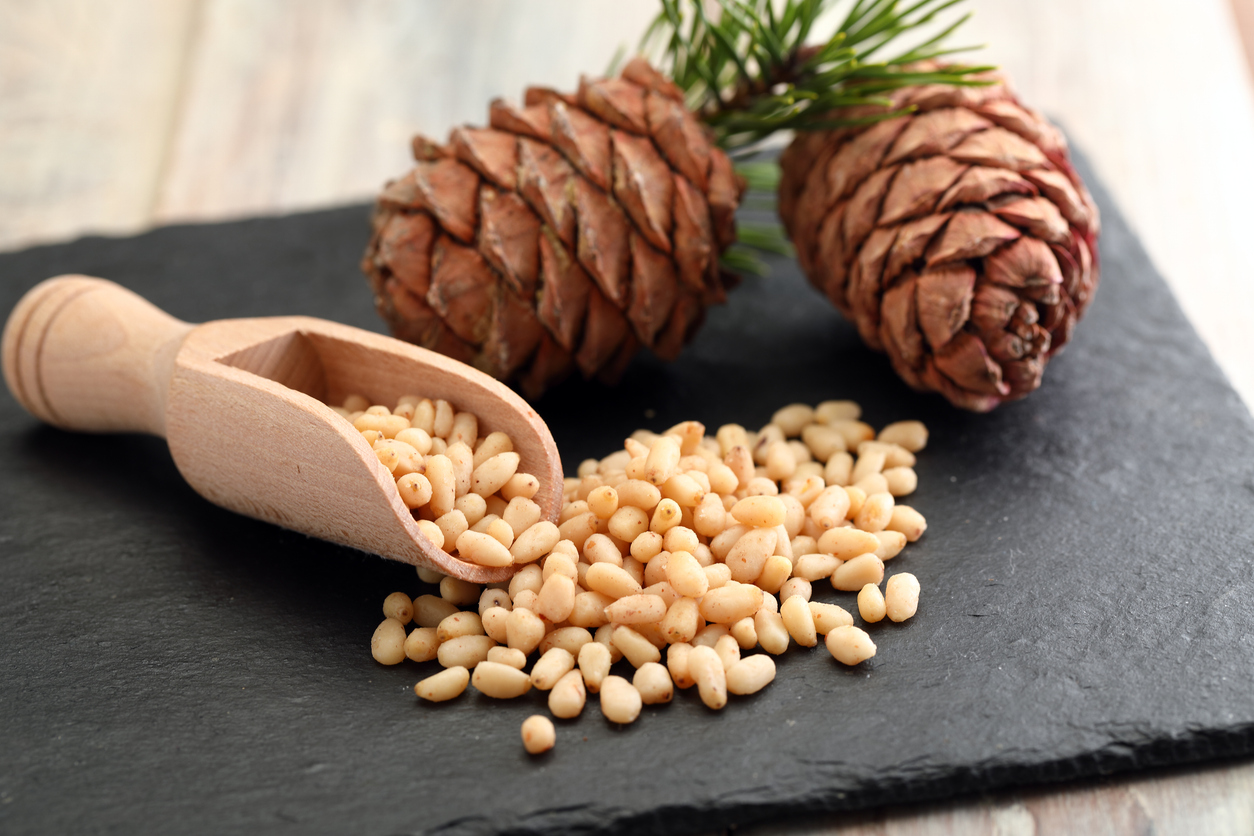
Pine nuts have a delicate, slightly sweet flavour, commonly used in Mediterranean cuisine.
Uses:
-
Making pesto and sauces
-
Toasting as a topping for salads or roasted vegetables
-
Baking into breads or desserts
Benefits:
Pine nuts are rich in healthy fats, protein, and minerals like magnesium and iron, supporting heart health, energy, and appetite regulation.
How to store organic nuts properly
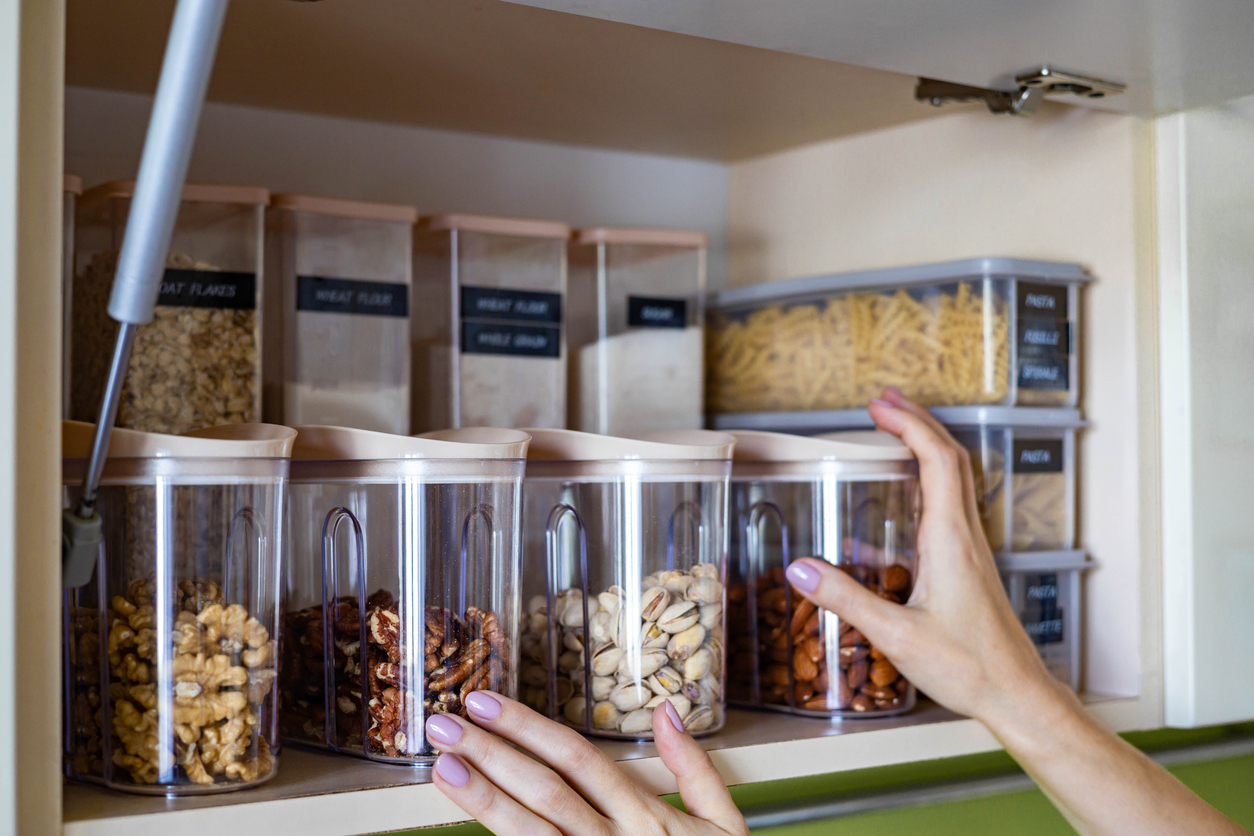
Because nuts contain natural oils, proper storage is key to keeping them fresh.
For best results:
-
Store nuts in airtight containers
-
Keep them in a cool, dark place
-
Refrigerate or freeze larger quantities for longer storage
Whole nuts generally last longer than ground nuts, which should be used more quickly to avoid oxidation.
Using nuts as part of a balanced diet
Nuts are energy-dense, so a little goes a long way. A small handful can add satiety, texture and flavour to meals without overpowering them. They’re especially useful for:
-
Plant-based and vegetarian diets
-
Gluten-free baking
-
High-protein snacks
By rotating different varieties, you can enjoy a wider range of nutrients and flavours.
Explore our organic nuts range
Whether you’re baking, blending or simply snacking, organic nuts are a cupboard essential. Browse our full nuts category hub to find high-quality options that suit your cooking style and dietary needs.